

This guide is specifically designed for Profex applicants in the NALCAP program, but the information is useful for applicants of the auxiliary program through many other organizations.
You will be applying for a student visa. The requirements on the Ottawa consulate page are correct. It is your responsibility to double check the consulate’s webpage linked below when completing your application.
The consular jurisdiction of the Spanish Embassy in Ottawa ONLY includes the National Capital Region (Ottawa and Gatineau).
Full Official Guide from NALCAP
(This is just general info. To get specifics, check the Ottawa webpage below)
This page was last updated on March 30, 2026. Small changes to visa requirements can and do occur, so please double check everything on the official websites below.
Ottawa Consulate Official List of Requirements
Fighting Bureaucracy – Home
My Journey to Residency
- Important Dates and Deadlines
- Criminal Record Check Timeline
Step 1: Fingerprints and Criminal Record Check
Step 2: Getting the Apostille
Step 3: Getting the Translation - Visa Application Form
- Photograph
- Passport
- Carta de Nombramiento + Proof of Financial Means
(3 stamped bank statements from the last three months) - Proof of Accommodation in Spain
(1 week reservation at a hotel/AirBnB – you can cancel it afterwards) - Medical Certificate
- Proof of Residence in the Consular District
- Visa Application Payment
- Additional Health Insurance (for early arrivals)*
- Making an Appointment
- Collecting the Visa
Before submitting!!! (Check List)
Important Dates and Deadlines:
Program start: October 1st
Visa Processing Time: 3-6 weeks usually
Acceptance letter (Carta de Nombramiento): Around June
Suggested visa application dates: Immediately after receiving acceptance letter and before August 1st (There are often backlogs at consulates, so the earlier, the better.) Make sure to check for available appointments BEFORE you finish collecting all the necessary paperwork. The earliest available appointments may be 3 months from now.
“The visa must be applied for two months prior to the start of the studies or training, unless justified reasons are provided that prevent submission within that timeframe. ” (Source)
Expiration date of documents (the expiration date pertains to the date of your visa appointment):
Medical certificate – (Ottawa does not mention an expiration date for this document, but other consulates generally have a limit of 90 days)
Criminal record check – 6 months
Visa photograph – 6 months
Suggested start time: After you receive “Plaza Aceptada” status and after April 15th
In past years, the apostille has taken up to 3 months to process. START EARLY!
Once you have collected all the necessary documentation, you can attend an appointment for your visa application.*
*The application method can change throughout a year. Make sure to check the sources.
Your bottleneck will be the background check. The background check is only valid for 6 months, so after you start, the timer starts. If the document expires, you have to apply for a new one. All of the other documents can be collected in the meantime. I will give an organized timeline for the entire process.
I received my “plaza aceptada” status mid May, but you can start your background check earlier. (This will prevent you from encountering issues getting your documents on time, but with the risk of wasting your money if you aren’t accepted into the program or receive a very late placement)
Criminal Record Check Timeline
≈April 16/17 Fill out the suitable application form, and go to your local police service or a fingerprinting company accredited by the RCMP to process your application for a certified criminal record check.
≈April 30 Receive your RCMP background check and immediately send it off to receive an Apostille through Global Affairs Canada.
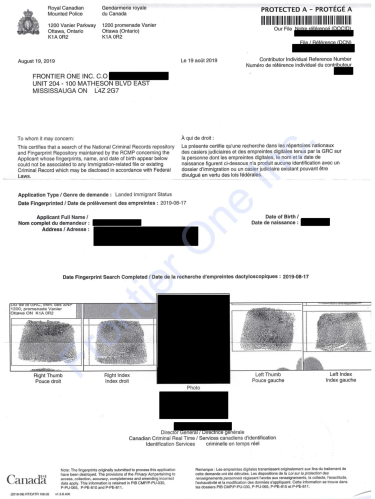
The Apostille is a form of authentication for the international use of public documents. After succesfully applying, it will be attached to your criminal background check to authenticate your document. DO NOT REMOVE IT! Doing so invalidates the document.
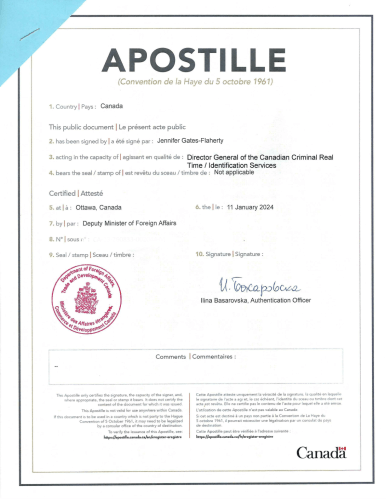
Here is an example of the affixed Apostille. During this time, you can also send your background check to be translated by a sworn translator since you do not have to translate the apostille. I recommend only getting a translation after receiving “Aceptada” status if you are concerned about not being accepted into the program.
≈June 8/June 28 Receive the apostille in the mail. When you scan all your documents for safekeeping, scan each page without removing the apostille attached to the background check (Just fold the ear). Congratulations! You have finished the most lengthy part!
Fingerprints and Criminal Record Check
Here is the official language from the consulate:
“Applicants of legal age (18 years old and older) must submit the original and a photocopy (not notarized) of their criminal background check(s) issued by the country or countries of residence in the past 5 years. In the case of Canada, only the negative criminal record certificate issued by the RCMP containing the visa applicant’s fingerprints will be accepted. You will find more information about how to obtain it here.
Criminal records certificates from local police stations will not be accepted. The Canadian Criminal Record Certificate must be authenticated with the Hague Apostille Certification, and must be accompanied by an official translation into Spanish by a sworn/certified translator.
The visa will not be issued without the Criminal Record Certificate apostilled by Global Affairs Canada, so it is recommended that you carry out this procedure with the Canadian authorities well in advance.”
In total, you need an RCMP background check, an Apostille by Global Affairs Canada, a Sworn translation of the background check, and an additional photocopy of those documents.
Getting a Spanish Background Check from Abroad
Step 1: Fingerprinting
Fill out the Application Form: There are many types of background checks offered by the RCMP. You are going to fill out the form designated for immigration and travel.
https://rcmp.ca/sites/default/files/doc/6674e.pdf
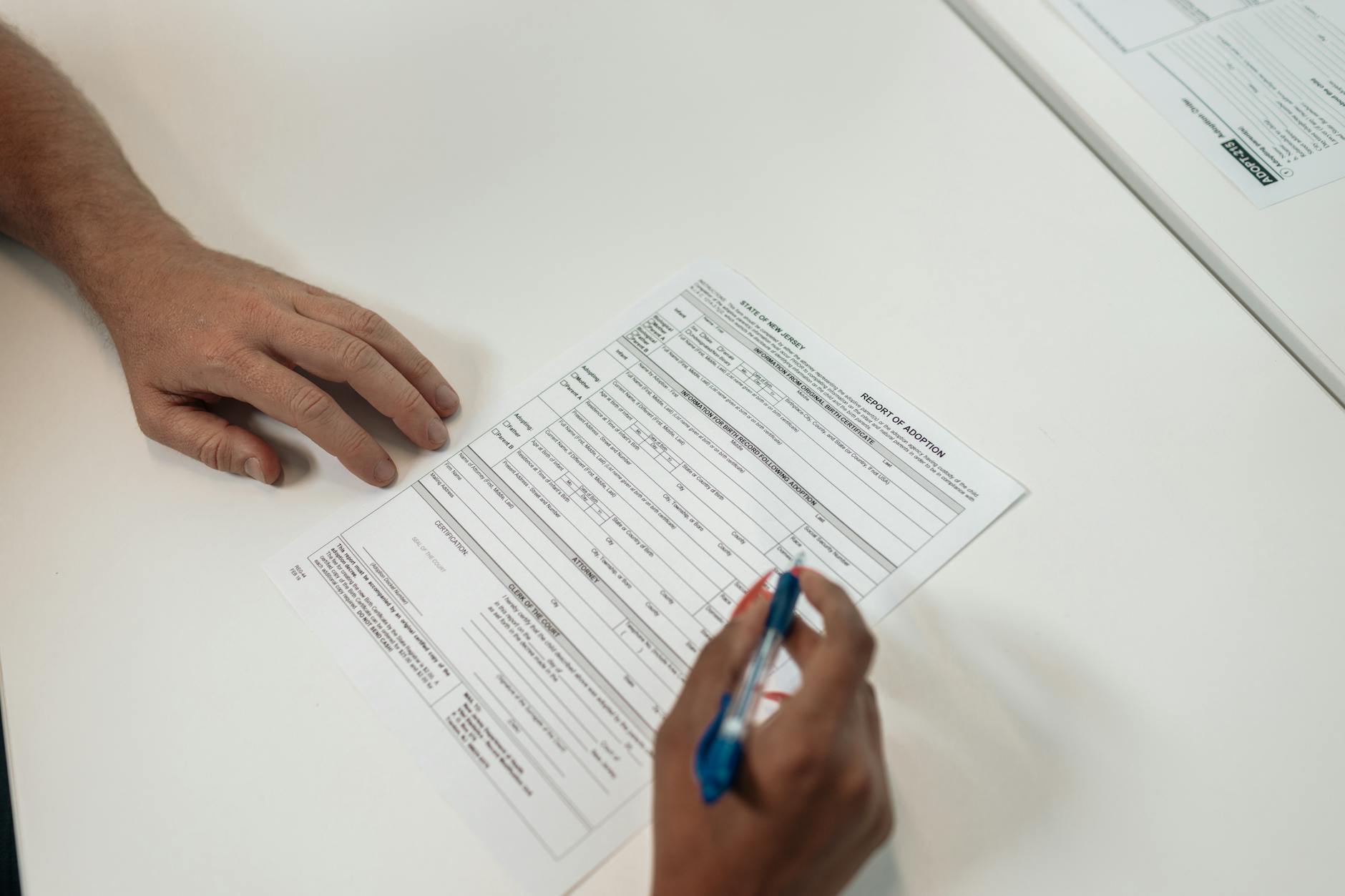
In this form, you will provide your name, date of birth, and consent (check the boxes in the list). At the bottom, you will sign the form. It’s very straightforward. When finished, print a copy to bring to your appointment.
Where to go: You can have the fingerprinting service done at your local police service or a fingerprinting company accredited by the RCMP to process your application for a certified criminal record check.
Make sure you follow the instructions provided by the fingerprinting service provider you choose, but generally, at your appointment, bring your application form, 2 forms of valid ID (original and copy), means of payment, and the instructions from the consulate requesting the RCMP background check.

The RCMP processing fee is twenty-five dollars. You will have to pay a separate fee for the fingerprinting service. You should receive your results relatively quickly (within about two/three weeks or so). Once you get the results, you can apply for the Apostille.
Haven’t got the results from the RCMP?
Please contact the RCMP after 3 weeks for your application status
- Email:ccrtis-scictr@rcmp-grc.gc.ca
- Phone:(613) 998-6362
- Please provide:
+ Your full name & date of birth
+ The date your application was submitted
+ The reason for your criminal record check
+ A phone number where you can be reached
+ Your Document Control Number (DCN)
***The DCN can be found on the confirmation report that was provided to you on the date of fingerprinting.
Step 2: Getting the Apostille
As soon as you get the criminal background check results, you can apply for Apostille of the Hague by Global Affairs Canada. The Apostille is a form of authentication for the international use of public documents. After succesfully applying, it will be attached to your criminal background check to authenticate your document. DO NOT REMOVE IT! Doing so invalidates the document.
Before starting, make sure your criminal background check contains the following:
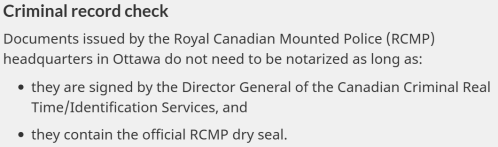
Here is an example of the RCMP dry seal.

In the link below, you can find detailed instructions for applying for the Apostille and information for edge cases such as if you are applying from outside of Canada. The list underneath is just a summary of what you need for normal mail-in applications.
Apostille Application Requirements: (link)
- A completed Authentication Form (you may have to download the PDF to your Desktop to properly access the form).
Section 1: Personal Information
Section 2: Shipping Details – you must include a self-addressed stamped envelope or a prepaid courier shipping label for the return of your documents. In this section you provide those details.
Section 3: No
Section 4: RCMP Criminal Check, 1, Your Province, Spain.
After completing the form, print it, sign it, and date it. - Your RCMP Criminal Background Check
- A self-addressed stamped envelope or a prepaid courier shipping label for the return of your documents.
Courier waybills that include account numbers are not accepted and will be returned by regular mail. Only prepaid shipping labels are accepted.
You will also need an envelope to send your application and accompanying documents to Global Affairs Canada. I highly recommend getting postage with a tracking number.
Global Affairs Canada
Authentication Services Section
2421 Lancaster Road
Ottawa, ON K1B 4L5
Canada
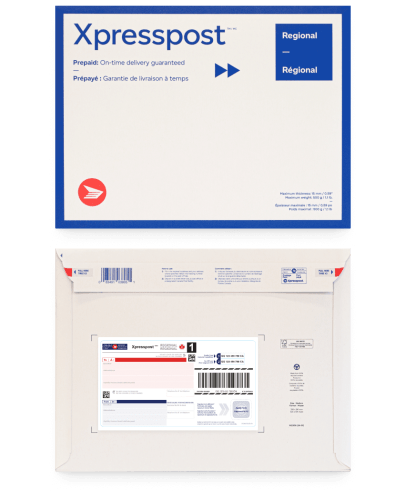
When you finish preparing the required documents, place your RCMP criminal background check, Authentication Form, and self-addressed envelope (you can fold it so it fits) in your tracked envelope addressed to Global Affairs Canada.
After sending in the application, you will have to remain patient. It’s a long wait.
Due to the high volume of authentication requests received, the Global Affairs office is unable to confirm receipt of your request or provide a status update of your request before the minimum wait time has lapsed.
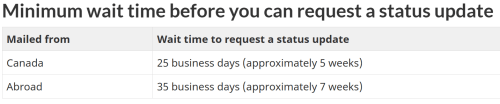
Therefore, if you wish to obtain confirmation of delivery, it is strongly encouraged you send your application using registered mail or courier, which will allow you to track the delivery status. If the tracking information indicates that your mail was delivered, then you may assume that it has been received by their office and is awaiting processing.
Getting the Translation
After receiving your original background check (and after getting “aceptada” status if you are concerned about not being accepted into the program) Send the background check to be translated. You can do this by simply sending a PDF of your apostilled background check to a sworn translator.
The Ottawa consulate requires a translation into Spanish by a sworn translator. A sworn translation is different from a standard translation, so USE A SWORN TRANSLATOR.
Make a scan of the background check without removing the apostille attached to the background check (Just fold the ear). Send the document to be translated into Spanish by a sworn translator.
“The official translation can include the translation of the Apostille as well, but it is not necessary (the translation does not need an Apostille and the Apostille does not need a translation).”
What makes a sworn translator “official”?
A sworn translator is a translator who has been licensed by the Ministry of Foreign Affairs. Not all translators are sworn translators. A sworn translation is required for legal purposes such as getting a visa. Here is an example of a sworn translation below:
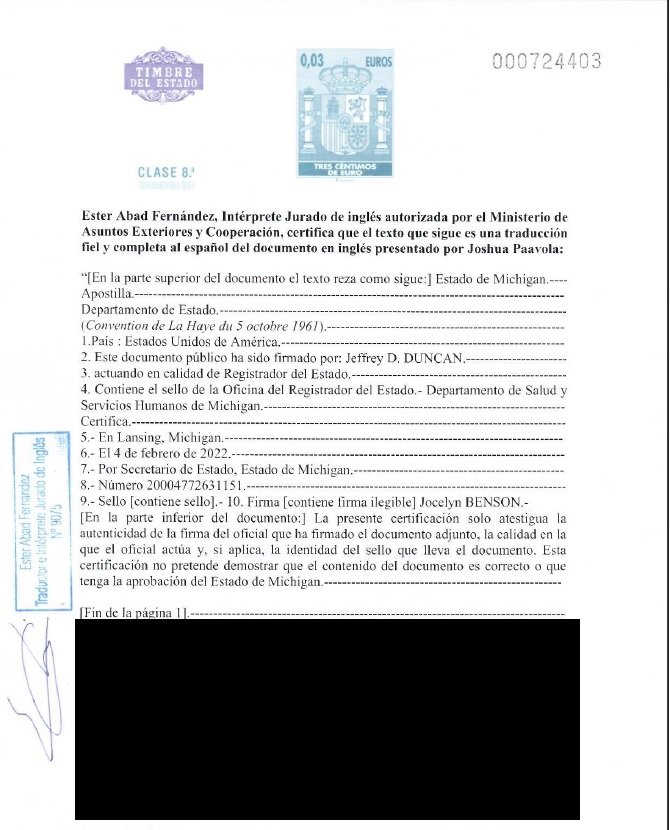
How to get the sworn translation: Get into contact with a sworn translator. Give the relevant information such as the type of documents being translated, preferred payment method*, translation delivery method (attached in an email), and the expected turn-around-time.
*You’ll have to make a money transfer to pay for the translation. Some translators have domestic accounts, but regardless, you will need a designated transfer service eventually when moving to Spain. Be mindful of the fees and exchange rates.
Although many familiar services like PayPal can make domestic and international transfers, your goal is to pay the least amount of dollars possible, not more. Those services tend to have terrible exchange rates, which work like massive hidden fees on each transaction. That’s why I highly recommend Wise. It is what most auxiliaries use because it has lower fees, higher transparency on costs, and reliable, fast transfers. Feel free to investigate for yourself. You can find a guide below.
Wise
(Wise can help you make domestic and international bank transfers for cheap.)

For the 99% of you who are getting English to Spanish translations, I highly recommend working with Alba:
alba.fernandez.c.residency2sp@gmail.com
She is a sworn translator who has experience working with auxiliaries and helping individuals get through difficult bureaucratic processes in Spain which means she will be highly responsive and helpful while also providing budget-friendly pricing. When I got my translations done through Alba, I used Wise to make a bank transfer directly to her American account.
What if I need a translation from a non-English language to Spanish?
You can search for sworn translators that work for other language pairs in the webpage below. It’s the same process, but you may have more difficulties finding responsive translators. Not everyone is actively looking for work.
Link to the List of Sworn Translators from the L.A. Consulate Website
Visa Application Form
Form link (here) – Bring the original and a copy
*Very important: Please keep in mind that the date format in Europe is:
Day/Month/Year DD/MM/YYYY
Foto/Photo – Cut out your recent, professionally done visa photo and glue it onto the space provided in the Visa Application Form.
Sections 1-9 – Fill in your personal information. All questions are given in Spanish and in English
Section 10 – If you’re not a minor, write N/A
Section 11 – N/A (You do not have a Spanish National ID Number)
Section 12 – Type of travel document – Ordinary Passport
Section 13 – Passport number
Section 14 – Date issued
Section 15 – Expiration date (make sure it is valid for the entirety of your stay in Spain.)
Section 16 – Issued by Immigration, Refugees and
Citizenship Canada (IRCC)
Section 17-19 – Fill in your personal information.
Section 20 – “Studies”
Section 21 – When you intend to arrive in Spain. (Early arrivals may have to purchase supplemental health insurance)
Section 22 – “Multi” or “more than 2”
Section 23 – Address of school or regional education office
Section 24 – If you lived in Spain previously and have a NIE, put it in. If not, leave it N/A. (At your visa appointment, they may want to see the passport that contains the old Spanish visa.)
Section 25 – If you lived in Spain previously and have a NIE, write the date of issuance. If not, leave it N/A.
Section 26-27 – N/A
Section 28 – Information from your Carta de Nombramiento
Section 29 – N/A
DONT FORGET TO COMPLETE SECTION 30 AND 31 – Section 30 – Place (town/city where you signed the document) and Date Section 31 – Signature.
Photograph
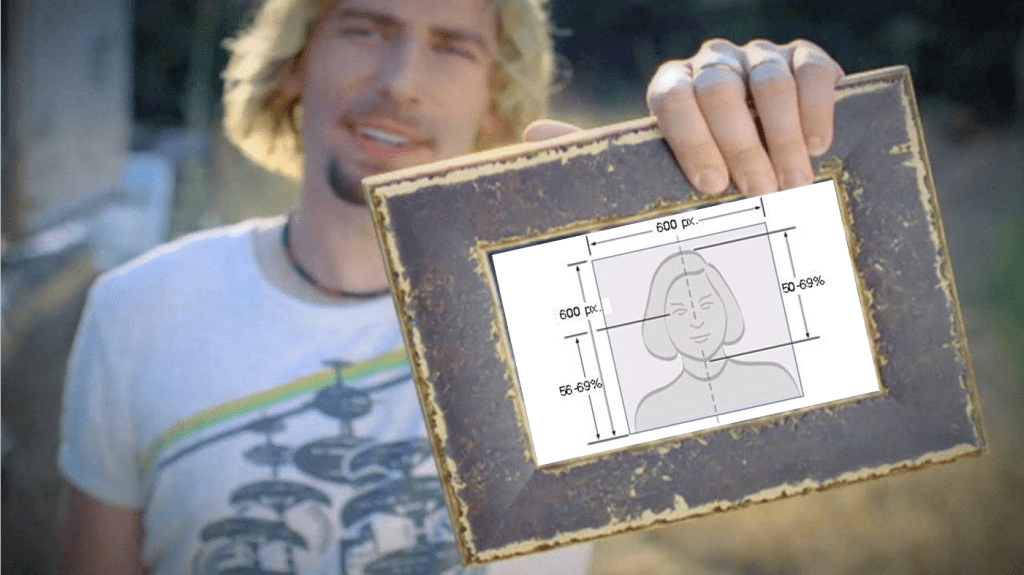
You need “one (1) recent full-face color photograph passport-size, taken in person against a light background, facing forward, without dark or reflective glasses, or any garments concealing the oval of the face taken by a commercial photographer or studio NO MORE THAN SIX (6) MONTHS BEFORE THE DATE YOU SUBMIT YOUR APPLICATION.”
I recommend paying for extra copies in case the original is damaged. Follow the guidance carefully from the Consulate Page’s Specifications.
You can get this done at various pharmacies, retail stores, and select shipping centers: CVS, Wal-Mart, and FedEx (among many others). Don’t try to do it yourself. Just pay for the service because there are many requirements.
A simple mistake that really made my visa appointment stressful: I got my picture done at a supermarket. In my picture a few stray hairs went out of frame in the picture. This made the passport photo invalid, so I had to quickly get another one taken at the CVS across the street from the consulate during my visa appointment.
Passport
“Original and a copy of the page(s) with biometric data. The passport must be valid for at least one year and contain at least two blank pages. Passports issued over 10 years ago will not be accepted.”
NALCAP recommends that your passport is valid for at least 6 months past the end date of your visa, but it is not a requirement. The program (and visa) is typically from October – end of May or June.
If you are a non Canadian passport holder, you need to provide your passport and a permanent resident card, work permit, or study permit with certification of studies.
Carta de Nombramiento + Proof of Financial Means
The Carta de Nombramiento is the school placement letter you receive stating what specific school you are assigned to. You are typically sent an email when you finally receive the Carta de Nombramiento. This file can be accessed in your communidad’s web portal: Auxmadrid, Auxand@, and many others. Provide the original and a copy of the document. (You will not receive a “true original” in the mail. Just print 2 copies).
If you haven’t received this letter yet and are curious about the process/wait, check out (Checking on Your Application)
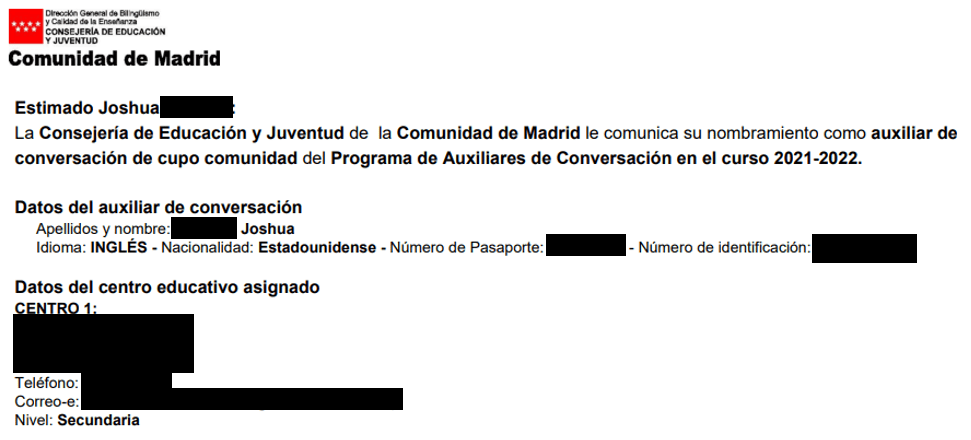
This letter should provide information on the school the applicant has been appointed to (address, phone number, contact email). It should also contain information about the grant, the duration of the program and the insurance policy.
The Carta de Nombramiento will also mostly cover your proof of financial means as it indicates you will have income while living in Spain. However, you are expected to supplement it with your own savings to prove that you won’t be homeless for the first month in Spain (a few thousand should do it).
You need to provide 3 stamped bank statements from the past 3 months. I also recommend providing a stamped bank account summary to prove that the account is in your name. Do not staple these documents together. Just provide them alongside your application.

Proof of Accommodation in Spain
You will need about a week of accommodation starting the date you plan on entering Spain. Although not mentioned in the consulate page, they want to confirm that you won’t be homeless your first few nights when arriving. Book a hotel, hostel, or AirBnB that provides proof of your reservation and print 2 copies for your appointment.
After your visa appointment, you can either keep or cancel your reservation (you’re going to need temporary accommodation anyway when first arriving in Spain).
Medical Certificate
The Medical Form is generally only valid for 90 days, so plan accordingly. (Ottawa doesn’t mention an expiration date).
“Original and a copy of a medical certificate issued by your family doctor worded as follows:
“This medical certificate states that Mr./Mrs. ….. does not suffer from any diseases that may have serious consequences on public health in accordance with the provisions contained in the 2005 International Health Regulations.”
It must be accompanied by an official translation into Spanish by a sworn/certified translator.‘”
Book a check-up with your doctor (not nurse, nurse practitioner, or anything other than an MD), and have the template provided above filled out. Please, make sure that all the requirements of the form are completed. There are instructions on the back.
Some doctors are hesitant to sign the medical form document because they are concerned about the language used in the form. You can remind them that they are not confirming you are of perfect health. They are confirming that you aren’t a threat to public health (as in you aren’t carrying the plague for example).

After getting the form filled out, make sure to get a sworn translation of the document. Bring an original and copy of both the medical form and translation to the visa appointment.
Proof of Residence in the Consular District
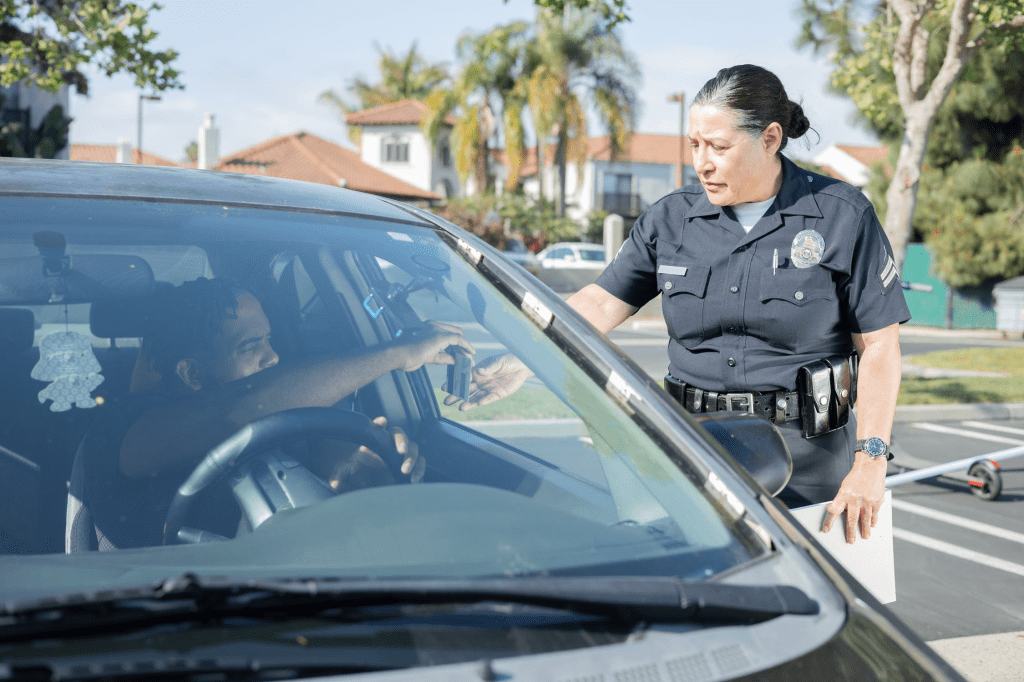
The Ottawa consulate only includes the National Capital Region (Ottawa and Gatineau), so show proof that you live there.
“An applicant must provide proof of their legal residence in the National Capital Region (Ottawa and Gatineau) or that they are attending classes, in person, in the National Capital Region.”
This includes a provincial health card, driver’s license, etc. Make sure to bring the original and a copy.
“What if I don’t have a Driver’s license?”
Bring official ID that proves your legal residence in the consular district.
Visa Application Payment
Ottawa states the following:
“Please refer to the consular fee chart for a student visa.
The visa fee must be paid when submitting the application. Fees are non-refundable, even in case of refusal.“
To save you the trouble, the cost of a NALCAP visa is CAN $ 134.60
“The only methods of payments accepted are in Canadian dollars (CAN $) with debit card, cash, money order or certified cheque payable to the “Embassy of Spain”. Credit cards are not accepted.” (bring exact cash if you plan on paying with cash)

Additional Health Insurance (for early arrivals)*
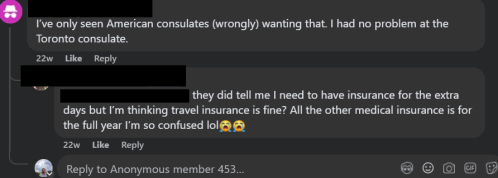
You will be covered by the program’s health insurance during the school year. However, you may need to get additional coverage for the visa if your planned entry date in Spain is prior to the start of the program. This expectation has been inconsistently applied in the past. Some applicants are rejected without supplemental insurance, and others aren’t. It’s an unfortunate part of Spanish bureaucracy.
Ottawa’s consulate page specifically states the following:
“EXPLANATORY NOTES REGARDING NALCAP VISAS: It must be noted that applying for a visa also entails applying for authorization for a long-term stay. Therefore, the visa application must be accompanied not only by the documentation that proves compliance with the visa requirements, but also by the documentation that proves compliance with the requirements for obtaining long-term stay authorization.
The long-term stay authorization will begin one month before the start date of the activity and will extend fifteen days beyond its conclusion.”
Simply put, you are expected to get supplemental health insurance one month before the start of the program if you plan on arriving before the start date of October 1st.
One thing is consistent: Travel insurance doesn’t count.
That creates a unique problem: You only need a month or so of coverage, and you need actual health insurance that covers all the visa requirements (which would typically have a year’s worth of coverage). Luckily, last year many auxes found a great option for this niche situation which would only cost $45 total for the extra security.

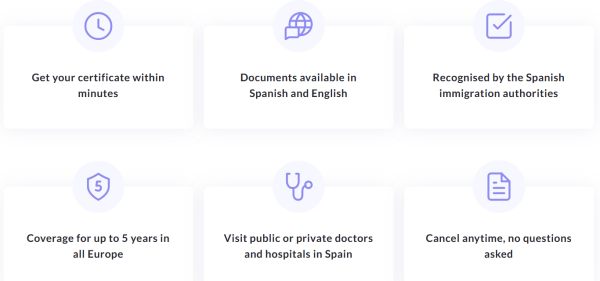
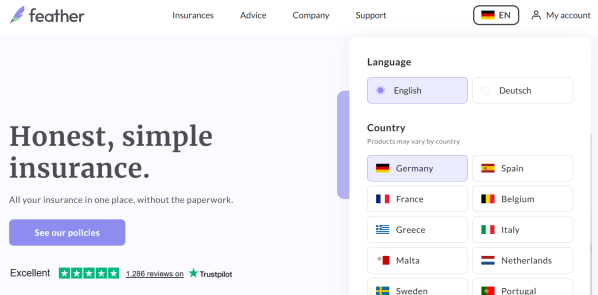
Feather is the only flexible health insurance option I found that meets all the visa requirements, which are quite strict. It’s only around 45 euros a month, and they have a generous cancellation policy that allows you to cancel at any time (more info below on cancelling). That means you can avoid paying for coverage you don’t need.
Warning: When you open the link above, make sure to change your country to Spain (there should be a flag in the top right corner).
After getting insured, print out your proof of insurance (and a copy) in Spanish and English. Make sure it includes a start and end date of your insurance coverage. Bring these documents to your appointment.
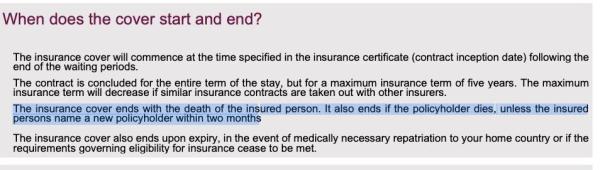
When should I cancel my insurance policy?
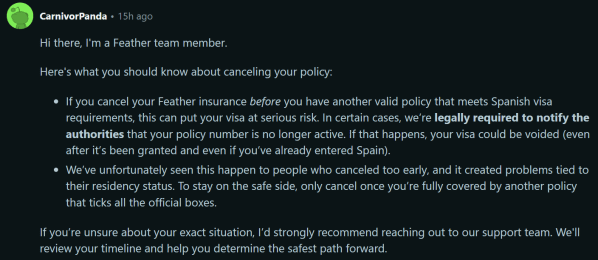
Again, most of you will likely be fine without the supplemental insurance for your visa appointment, but others may want to play it safe (also, it’s still coverage in case an emergency happens after arriving in Spain). It’s a personal choice.
Making an Appointment
“Applicants must obtain an IN PERSON appointment to submit his/her application. To book an appointment, click HERE. On-line applications are NOT accepted.“
Don’t be picky about your date! It can often be very difficult to find an available appointment.
“The average wait time for an appointment is approximately three months.” So it’s a good idea to start looking for available dates BEFORE you finish all your paperwork.
Link for making an Appointment:
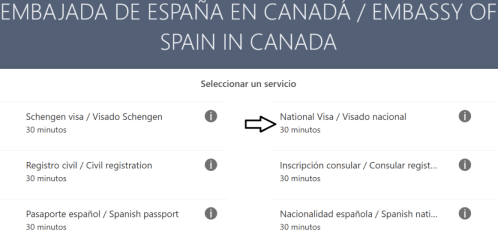
Scroll down to look for an available appointment. I checked for myself, and the earliest availability as of January 1st is in March.
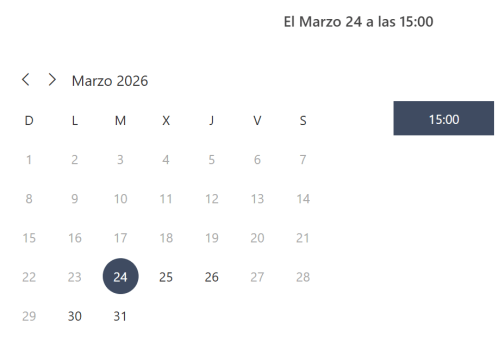
Further down you will add your personal details, select “NALCAP Visa”, and reserve your appointment.
Make sure to plan ahead (Where will you park? How will you get there? How early do you need to leave?). Do NOT arrive late to your appointment. If you are more than 15 minutes late, Ottawa will cancel your appointment.
Address:
Embassy of Spain in Ottawa
Consular Section
74 Stanley Avenue
Ottawa, ON
K1M 1P4
Take your appointment reservation to the visa application. Bring everything in the check list/all the necessary documents to this appointment (don’t forget the extra copies!) It’s also a good idea to wear something business casual. It’s not a job interview, but your first impression can be impactful, especially if you have made a small mistake.

At your visa appointment, officials will check and collect all the necessary documents. They will keep your passport while the visa is being processed. This could take between a few weeks and a little over a month, so you won’t be able to fly internationally while your visa is being processed.
Collecting the Visa
During the application appointment, the Consular Office will provide the applicant with proof of receipt of the application with a code that enables them to check the status of the dossier through the following link: https://sutramiteconsular.maec.es/Home.aspx
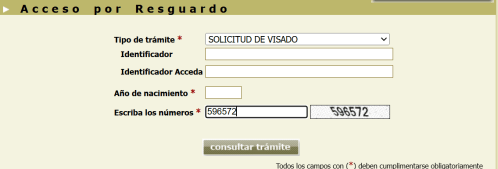
If the status of your visa application is listed as “RESUELTO“, a decision has been made and your visa has either been granted or denied. (you are hoping for a “FAVORABLE” result). You will have a month from that date to collect your visa in person at the consulate (no appointment needed – Friday from 9:00 a.m. to 1:00 p.m.).
“If the status of your visa application is listed as “RESUELTO“, a decision has been made and your visa has either been granted or denied.
In any case, you may pick up your passport on any working Friday from 9:00 a.m. to 1:00 p.m., without an appointment.
Other status are:
“EN TRAMITACIÓN, Pendiente de trámite“: Pending a decision from Spain to some consultation.
“EN TRAMITACIÓN, Pendiente de resolución“: Pending a decision from the Consul.
“EN TRAMITACIÓN, Pendiente de expedición“: Pending issuance of visa sticker.“
Bring your receipt and ID.
Check List
Before sending your application, go through the entire check list (here)

“I did everything right, and I only suffered a lot. At least I have my visa.”
Jane Doe
If you found the website useful, please Support the Page. Every little bit helps.
Back to Navigation
The information on http://www.residency2spain.com is provided in good faith and is intended for general informational purposes only. Residency2spain makes no guarantees regarding the accuracy, reliability, or completeness of the content. Any decisions you make based on the information found on this site are made at your own discretion and risk. Residency2spain is not liable for any loss or damage resulting from the use of this website.
Copyright © 2022 Residency2Spain All rights reserved.
-
Behind the Scenes – 2025 Finances
How does Residency2spain.com make money, and how much money does it make? I’ve just finished crunching the numbers and can elaborate on how these guides stay financially solvent. If you are motivated, have a unique idea that can help others, and want to make some money on the side, you can try creating a website…

-
Some Good News
Proceed with caution. Although the state of the program may be uncertain, there have been some positive signs (not guarantees) for 2026-2027. If you are unfamiliar with what is happening with the auxiliary program, please check out the previous post. As you are probably aware, the auxiliar de conversacion program is being restructured for 2026-2027.…

-
The Future (or End) of the NALCAP Program
Restructuring of the program, multi-million euro fines, and a delay to the application window! Expect major changes to the NALCAP program. If you’d like to keep up-to-date on what’s happening, you can joinMy Auxiliary Facebook group. Some Good News In 2025, the region of Andalucia was fined by the central government for a failure to…

-
A Podcast?
I’d like to share the podcast I have just started with my audience. it’s called Immigrant, not Expat. My goal is to share stories about immigration to hopefully remove the negative connotation surrounding the word “immigrant”. I am deliberately avoiding the word “expat” because I don’t want to reinforce a caste system for immigration. I…

-
Culture Shock!
People who talk about moving to another country may emphasize how different the culture will be and how to deal with culture shock. Spain is a modernized, western country that isn’t too different from the U.S, so in my experience, “shock” isn’t a great way to describe it. There are some differences, though. Most of…
-
250k Views – Day in the Life
The last time we celebrated a view benchmark, I made a post about myself and what led me to create a life in Spain. Now that we’ve hit 250,000 views, I’m posting feet on main! (Open the full image if you are a sicko). Well, the idea of this post is to share a typical…

-
Santiago de Compostela
On an extended weekend, thanks to a public holiday, my partner and I went to Santiago de Compostela. It’s a beautiful city in the northwestern region of Galicia, which is known for its rainy climate and delicious food. Santiago is an interesting city with a unique history. It is the destination of multiple pilgrimage routes…

-
Extra Income – Teaching Online
There are countless ways of saving money while in Spain, but if you want to be able to travel more and enjoy more experiences, increasing your income is a great way to do that. As native speakers of English with experience teaching English as a foreign language in Spain, your teaching services will be in…

-
Saving Money and Being Environmentally Friendly
You don’t need your own terrace garden like me, but you can easily save money and be better for the environment when living in Spain. One of the joys of moving to Europe is that it becomes possible to be environmentally friendly without sacrificing your lifestyle or money. When I lived in Indiana, I remember…

-
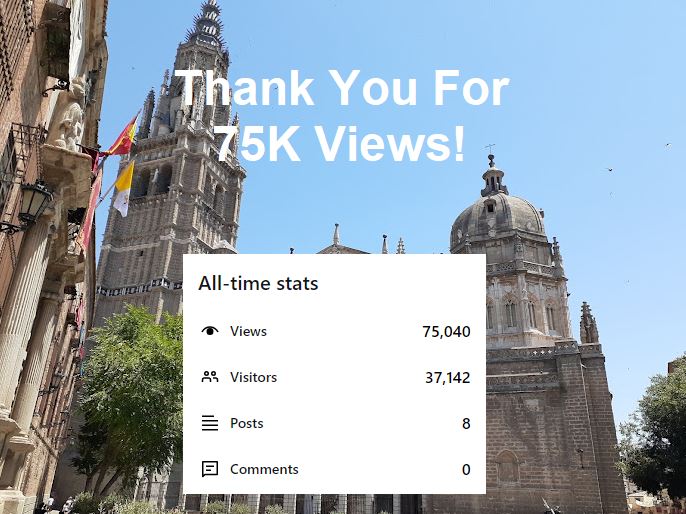
Celebrating 75,000 Views – My Journey to Spain
When I first started writing this blog, I never expected getting this type of interest. I just wanted to create something to help others find their lives in Spain and avoid the uncertainties and anxieties that plague bureaucratic processes here. It’s still only a hobby instead of being my actual job, but a lot of…
-
Spanish and U.S. Library Cards
Getting a U.S. library card before leaving for Spain and a Spanish library card while there can provide wonderful (free) services. Libraries have modernized. They provide a wide range of services that can be accessed from anywhere in the world: eBooks, audiobooks, as well as online magazines and newspapers. Individuals travelling to or living in…

-
How I Accidentally Became an Actor in Spain
“Quiet on set, roll cameras, and action!” I desperately choke for breath while grasping at my wounds. With a WW2-era revolver aimed at the entryway of an abandoned farm shed, I am slowly bleeding out while waiting for my enemies to finish me off. Suddenly, I hear noises just outside. It sounds like footsteps, and…

-
NALCAP Webinar 2022 – Highlights
July 28, 2022 Will new regulations affect auxiliares who receive supplemental income in Spain? What should I do before leaving for Spain? How do I find an apartment? What steps should I take first when I arrive in Spain? The 2022 NALCAP webinar covers topics that can help new auxiliaries and returning auxiliaries. Find out…

-
Fun Trips around Madrid
Cercedilla Cercedilla is a mountainside municipality Northwest of Madrid. It is about an hour train ride away with the cercanía trains from Atocha (the main train station). The mountainside is filled with nature, flowers, and there is a small ranch with a herd of cows living their best lives grazing on the mountainside. The cows…

-
Budgeting in Spain
The cost of living is much cheaper in Spain, but the salaries are also much lower. How do I budget? What should I expect to spend and save? Just like the U.S, some places in Spain are more expensive than others. Madrid is one of the most expensive cities in Spain, so if you live…

-
The debate of the century: with or without onion.
Spanish tortilla is a traditional dish in Spain similar to an omelette. It has eggs, potatoes, and sometimes diced onions. In Spain people are passionate about food, especially traditional food, and there is a fierce debate in Spain about which type of tortilla is better: with or without onions. Traditionalists will claim that putting onions…

-
So, you want to move to Spain?
There are many reasons to want to live in Spain. The climate is warm and pleasant. The natural landscapes are breathtaking, and with a guaranteed 22 vacation days a year, you have the time to enjoy them. Culturally, Spanish people are kind, welcoming, and outgoing. This generosity also includes the public services offered. Spain has…

 Spanish Bureaucracy Guides