
When I first started writing this blog, I never expected getting this type of interest. I just wanted to create something to help others find their lives in Spain and avoid the uncertainties and anxieties that plague bureaucratic processes here. It’s still only a hobby instead of being my actual job, but a lot of people use the resources I provide which makes me incredibly happy. Thank you so incredibly much for using my blog, sharing it with others, and supporting it!
So to most of you, I am probably just a useful resource that you use when in a panic regarding Spanish bureaucratic requirements, but I’ve had my own extensive journey (and panic) towards finding a life in Spain, and I’d like to share that as we celebrate 75,000 views on my blog.
To make a long story short, I came to Spain for love. I met a Sevillana while studying abroad in Germany from 2016 to 2017. We fell in love, were long distance for a few years, and by using the Auxiliar program, I was able to close the distance where we later on filed for domestic partnership and residency through that partnership. The idea of marrying for papers seemed unromantic to both of us which is why the domestic partnership visa was crucial.
Personal Background:
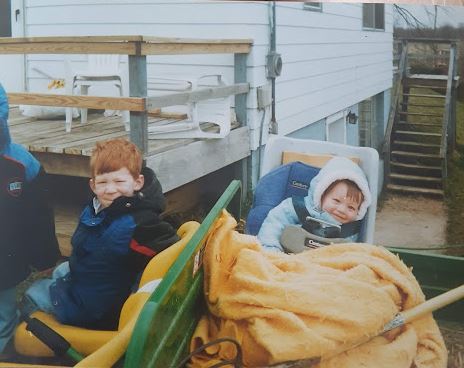

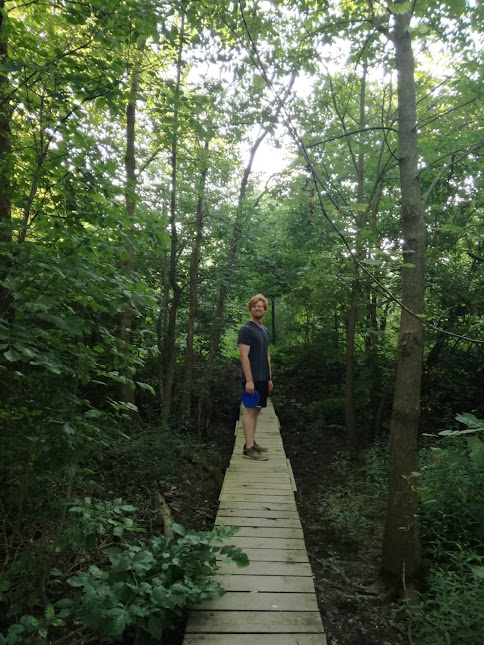

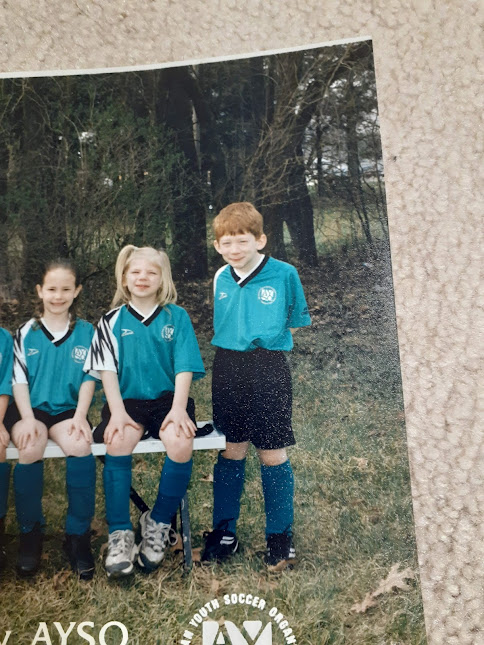
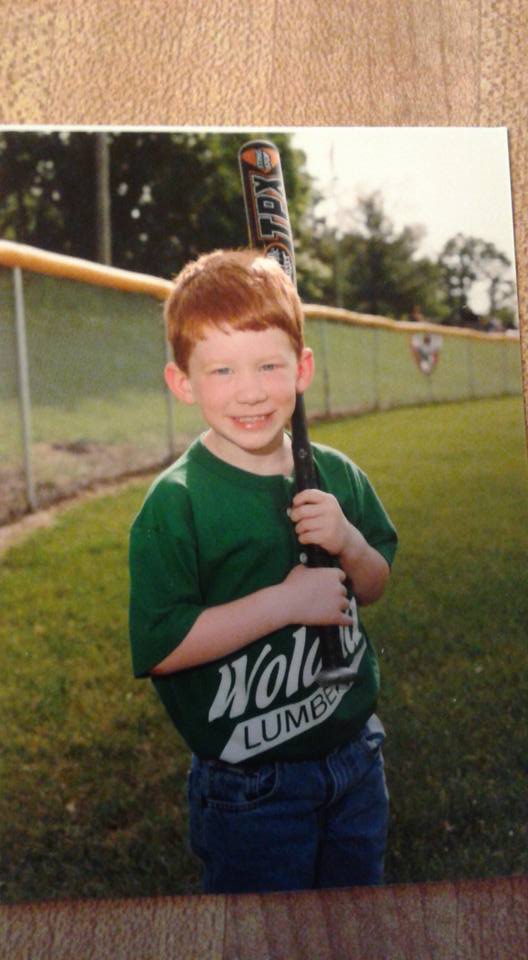
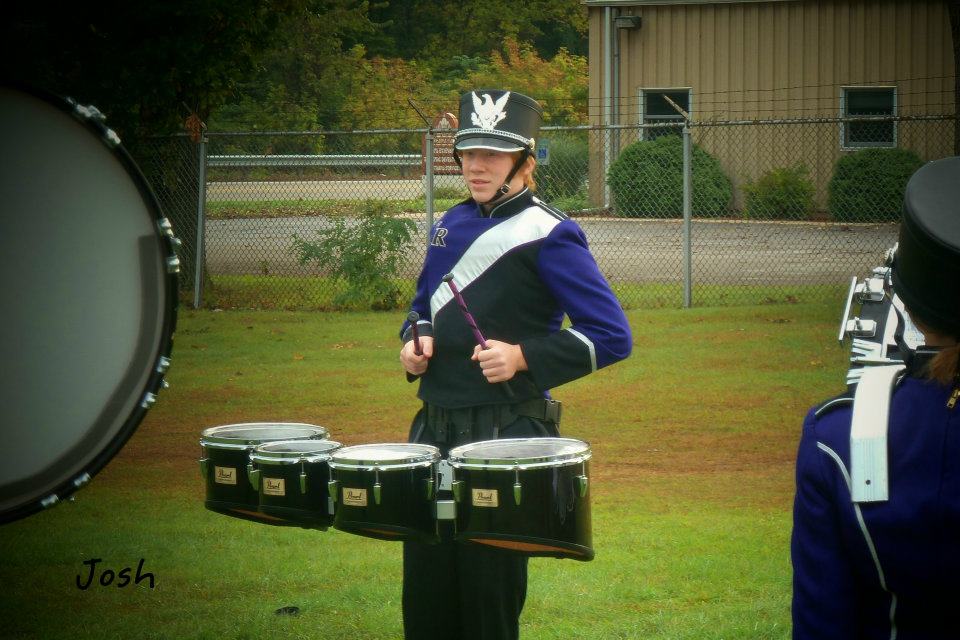
Although I grew up in a subdivision in Michigan, I have always had a close connection with nature. I have cherished memories of camping in the woods, spending weeks at the family farm helping my cousins with chores, and just plain exploring. The one big rule in my household regarding wandering the neighborhood and woods was that we had to be back home before the streetlights came on.
In school, I was the typical nerdy kid who loved learning. There were multiple Christmases and birthdays where I asked for non-fiction books, and my parents encouraged this passion for learning. Starting at the age of 7, before a quiz or exam, I would employ the help of one of my parents or a brother to quiz me on the test material. I especially had a love of science. Besides the typical sports and music, I also participated in science and math competitions.
When deciding on a language class to meet the foreign language requirement in high school, I chose German instead of Spanish. I realized early on that I would not be able to roll my R’s (still can’t do it well), so why would I learn a language I could never perfect?
Learning a foreign language was beyond interesting to me. I was able to learn about a different culture, food, way of life, and it gave me access to new ideas. Best of all, considering that German is one of the more difficult languages, there was always more to learn.
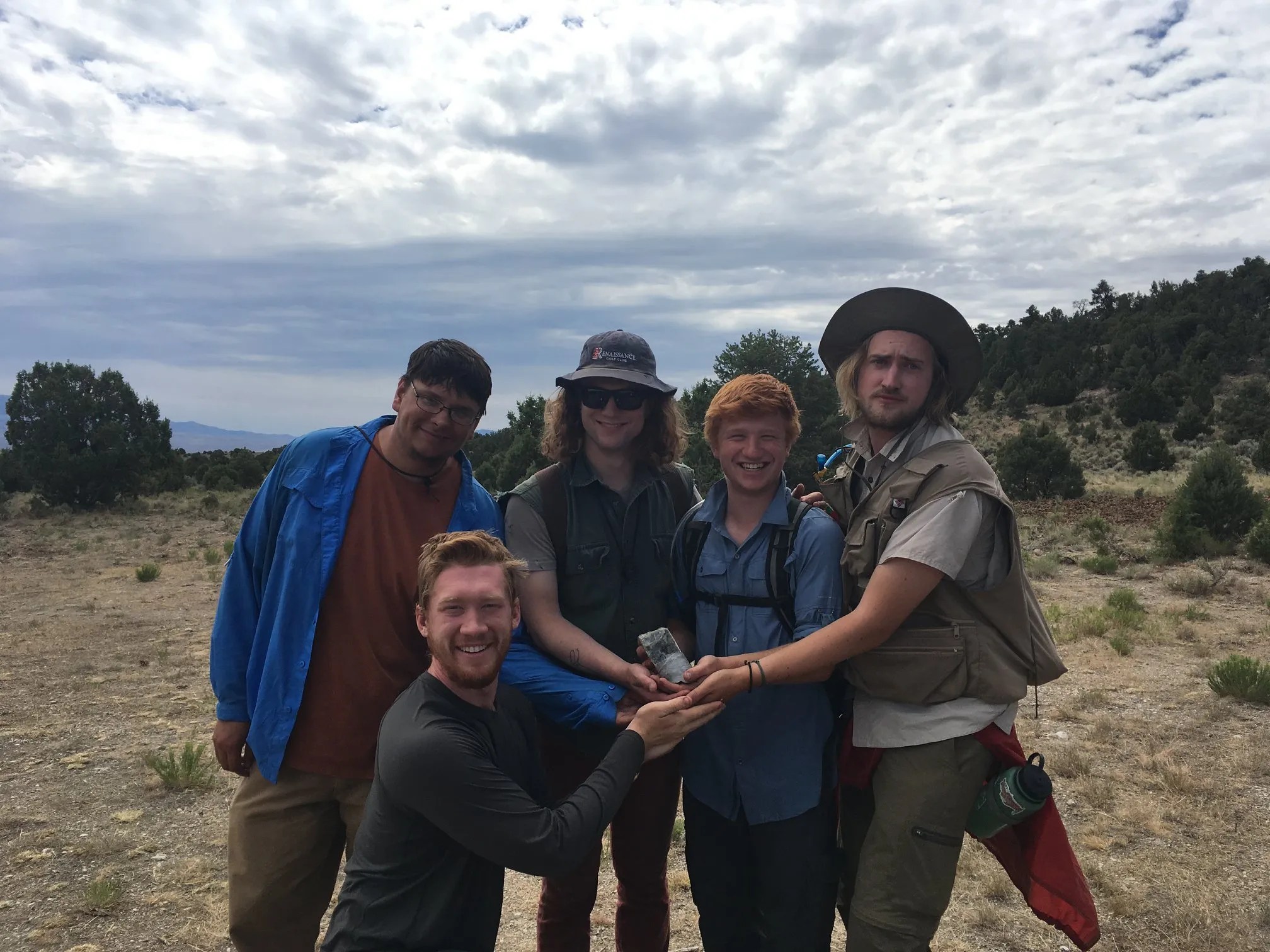
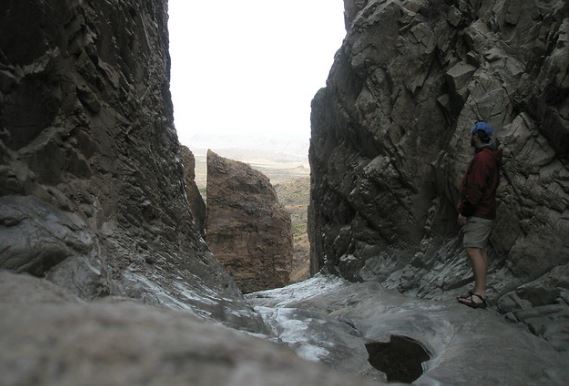
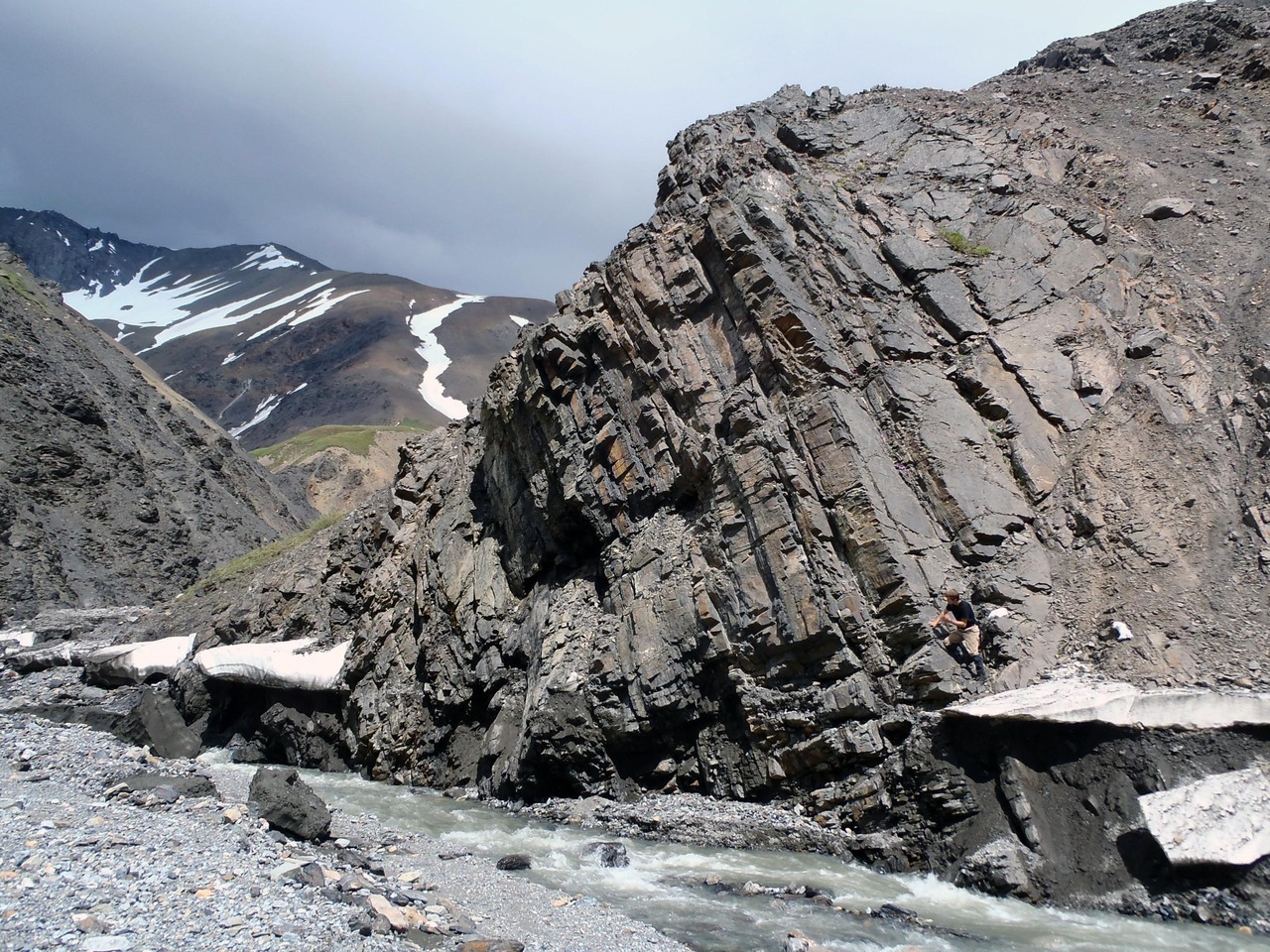
After graduating from high school, I attended Michigan State University studying Geology and German. I was able to combine my loves of science, nature, and language learning. I especially loved the multiple field excursions made throughout my 4 years at MSU. Rocks tell stories. By analyzing the geology of a specific area, you can make conclusions about its history millions of years ago.

Studying German at university gave me additional motivation. I had access to multiple study abroad programs through MSU. After finishing my 200 levels in German, I signed up for the longest program available: an academic year in Freiburg im Breisgau, and in 2016, I went through the process of moving to Europe for the first time.
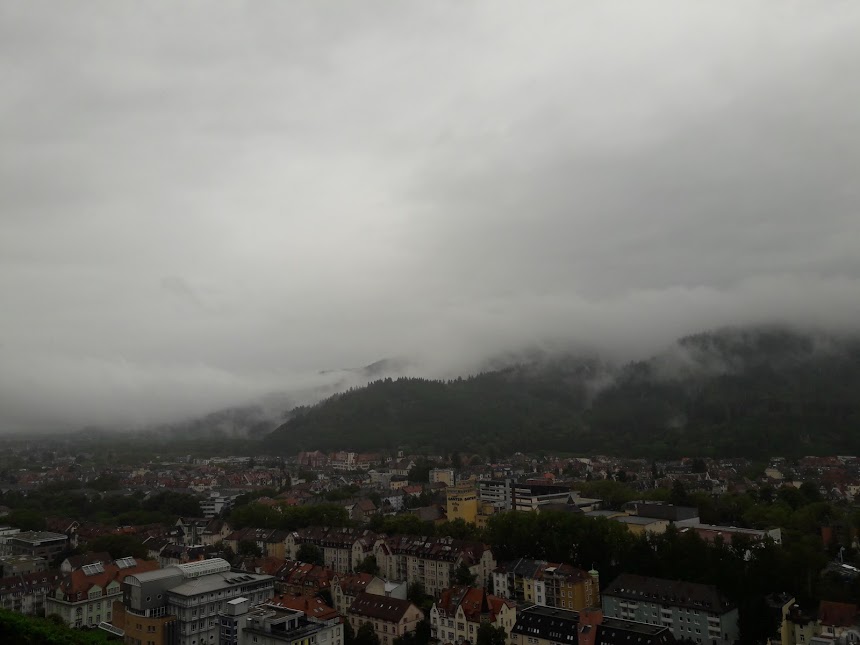


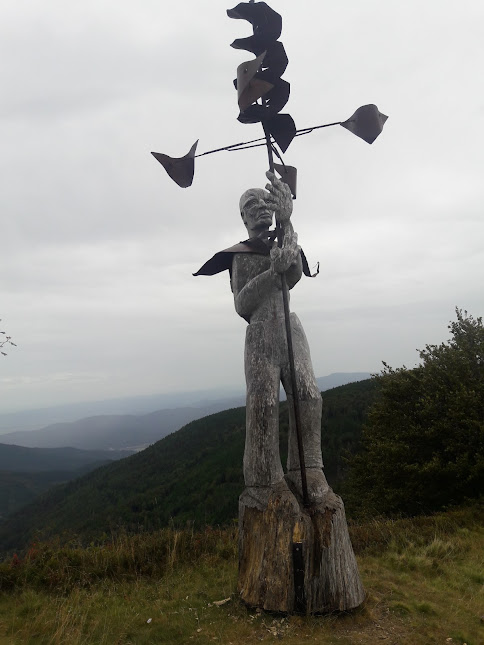
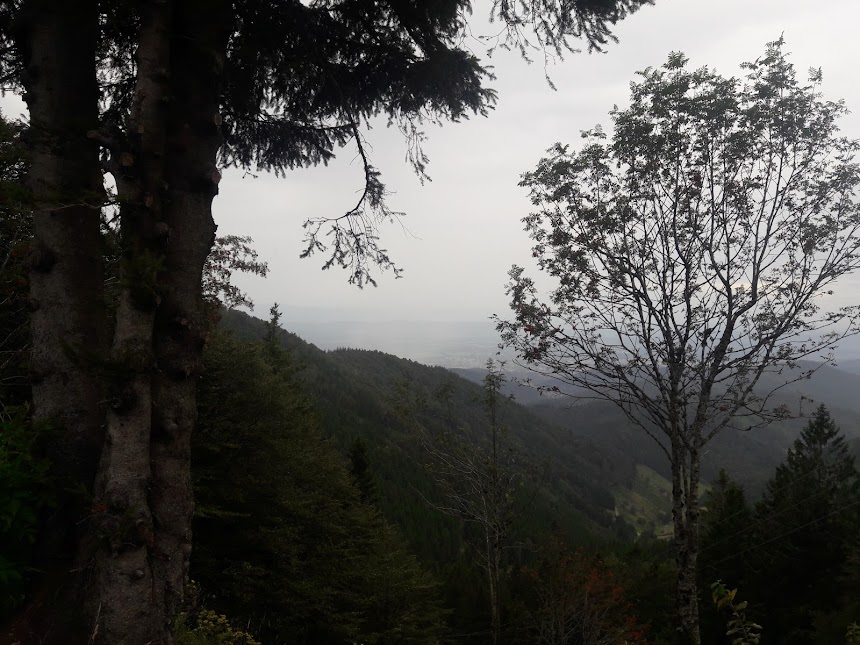
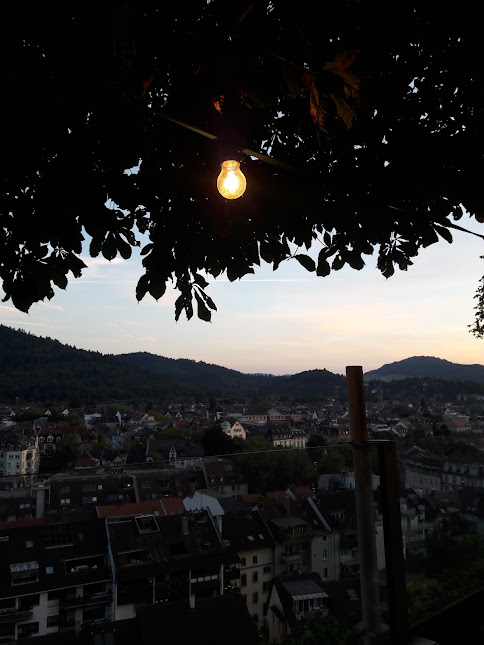
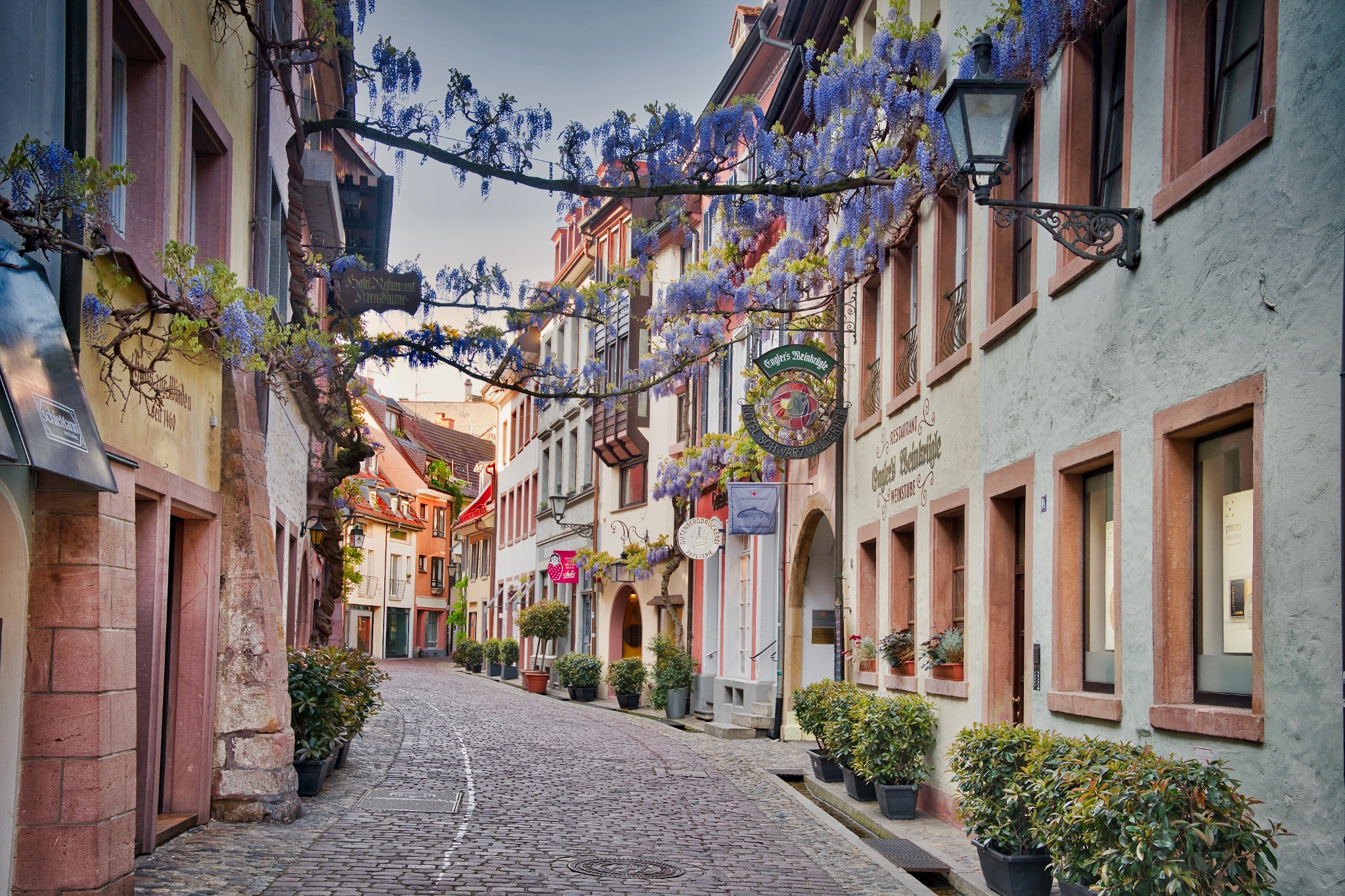

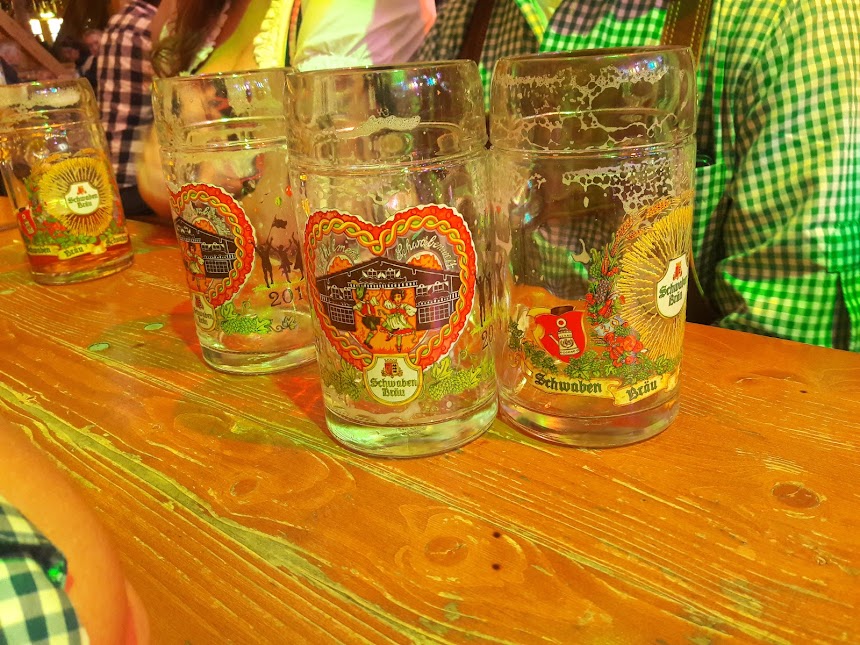
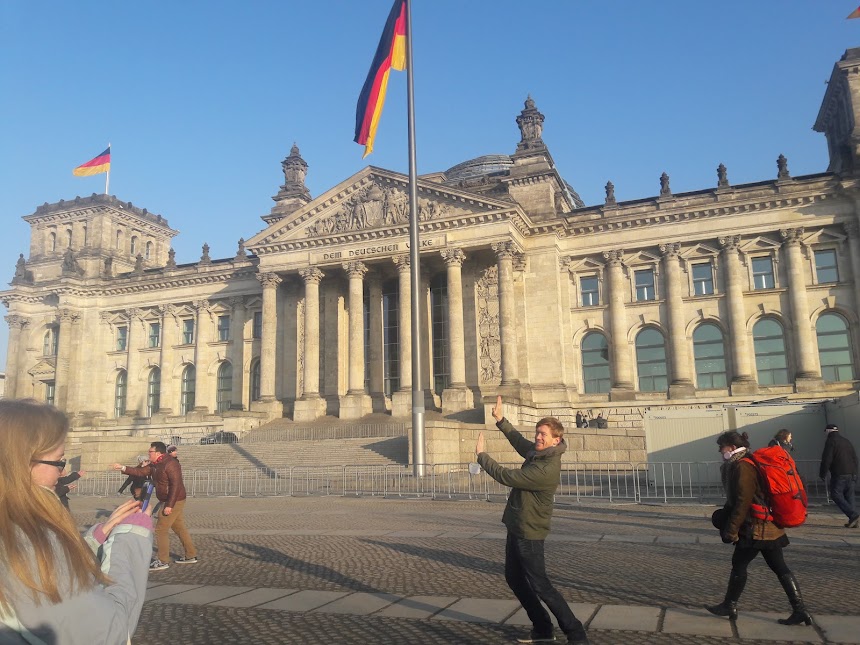
Freiburg im Breisgau is the most beautiful city I have ever visited. It is situated in the Black Forest, and due to its unique geography being surrounded by mountains on all sides except the south, it is also the sunniest city in Germany. Continuing to study geology in the mountaineous region of Germany surrounded by dense evergreen forests was everything I wanted. Not only did I love the city views and geography, but I also loved the typical ammenities that many Europeans take for granted.
There was cheap, efficient, and reliable public transport that could take you wherever you wanted. In addition to public transit, the cities were walkable and bikeable. When I tore my ACL and meniscus while rock climbing, I was able to get an MRI, operation, and physical therapy for about 10 euros. There were abundant 3rd places (places outside of work, school, and home) where you could meet up and spend the afternoon without the expectation of buying something, and beautiful outdoor spaces within the city were possible due to driving restrictions within the city center. I also loved the idea of not being defined by your work. Too often, Americans define themselves by their jobs, but individuals contain multitudes.
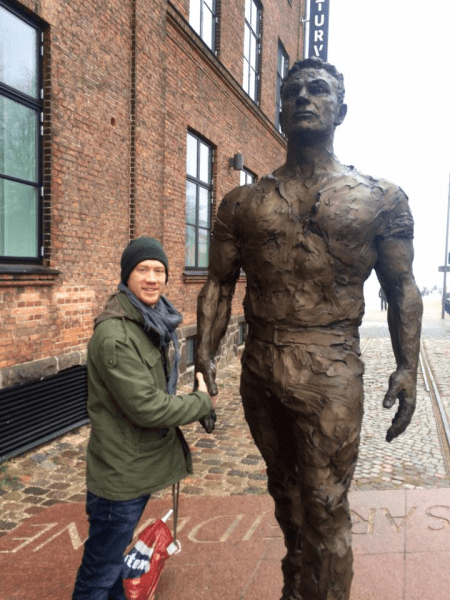
The one thing that was difficult for me in Germany (besides the language) was making German friends. Most Germans are diplomatic and direct. As an international student only spending 1 year in Freiburg, a lot of Germans didn’t see the friendship investment “worth it”. In fact, after hurting my knee rock climbing, my Geology friend group stated that since I wasn’t able to participate in their excursions and climbing trips, I was “useless” to them. Ouch!
I did, however, make a friend group with Spaniards through my Spanish roommate. I always got on well with her, and secretly thought that she was cute. As the year progressed, we would have deeper and deeper talks about life, our background, and goals for the future, but as someone trying to fully enjoy their year abroad, I thought that the prospect of dating your roommate was a bit dangerous.
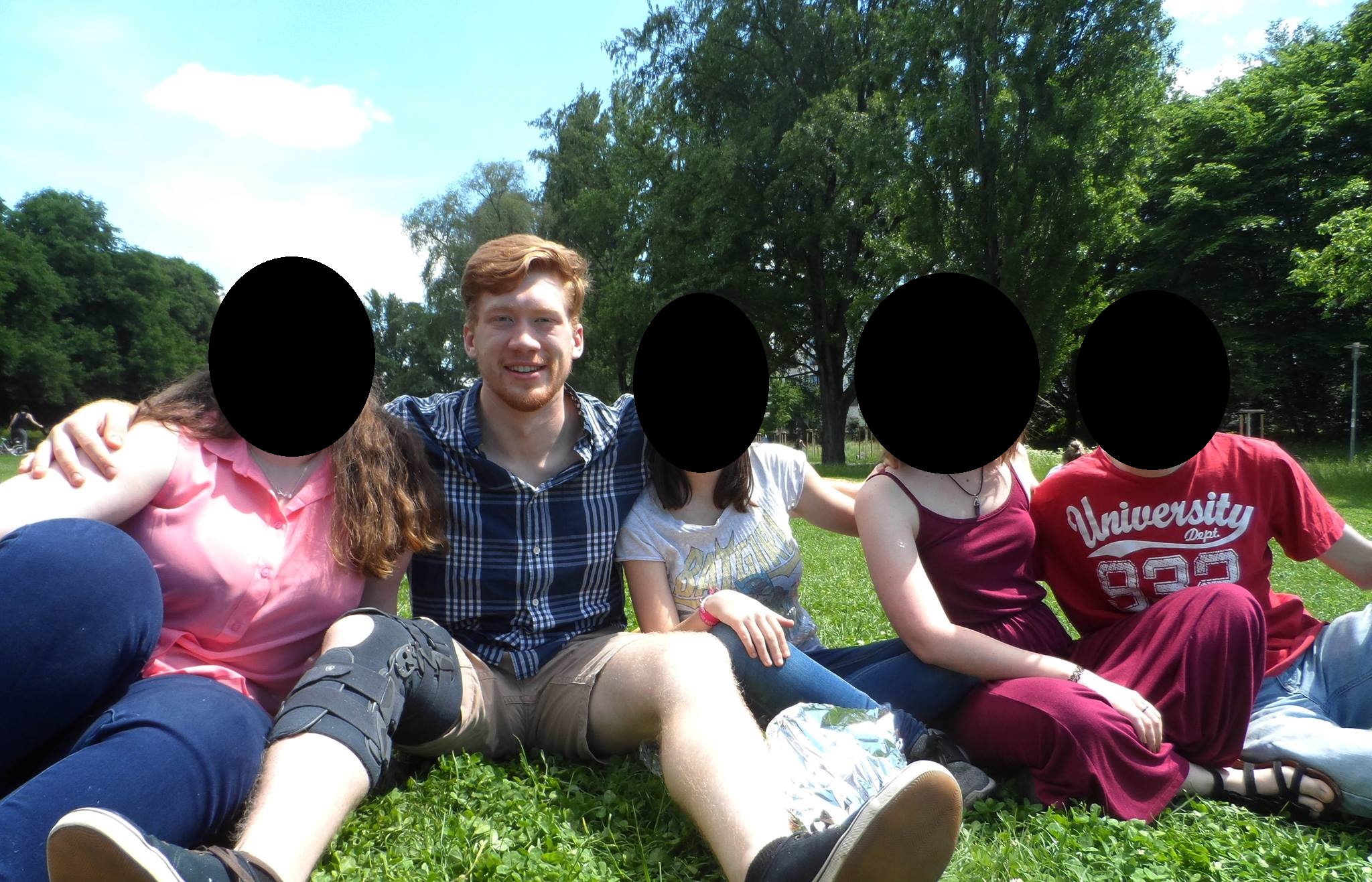
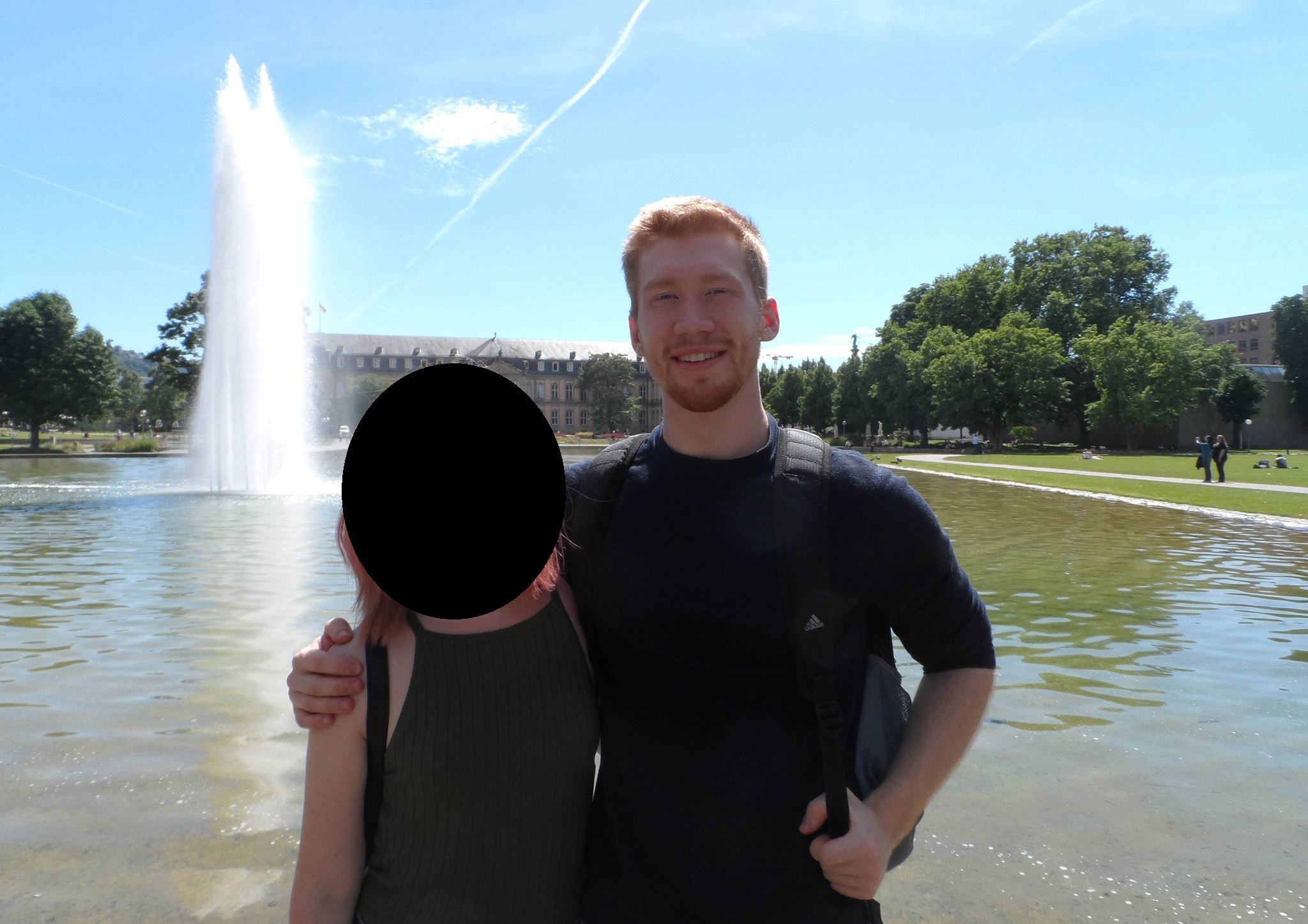
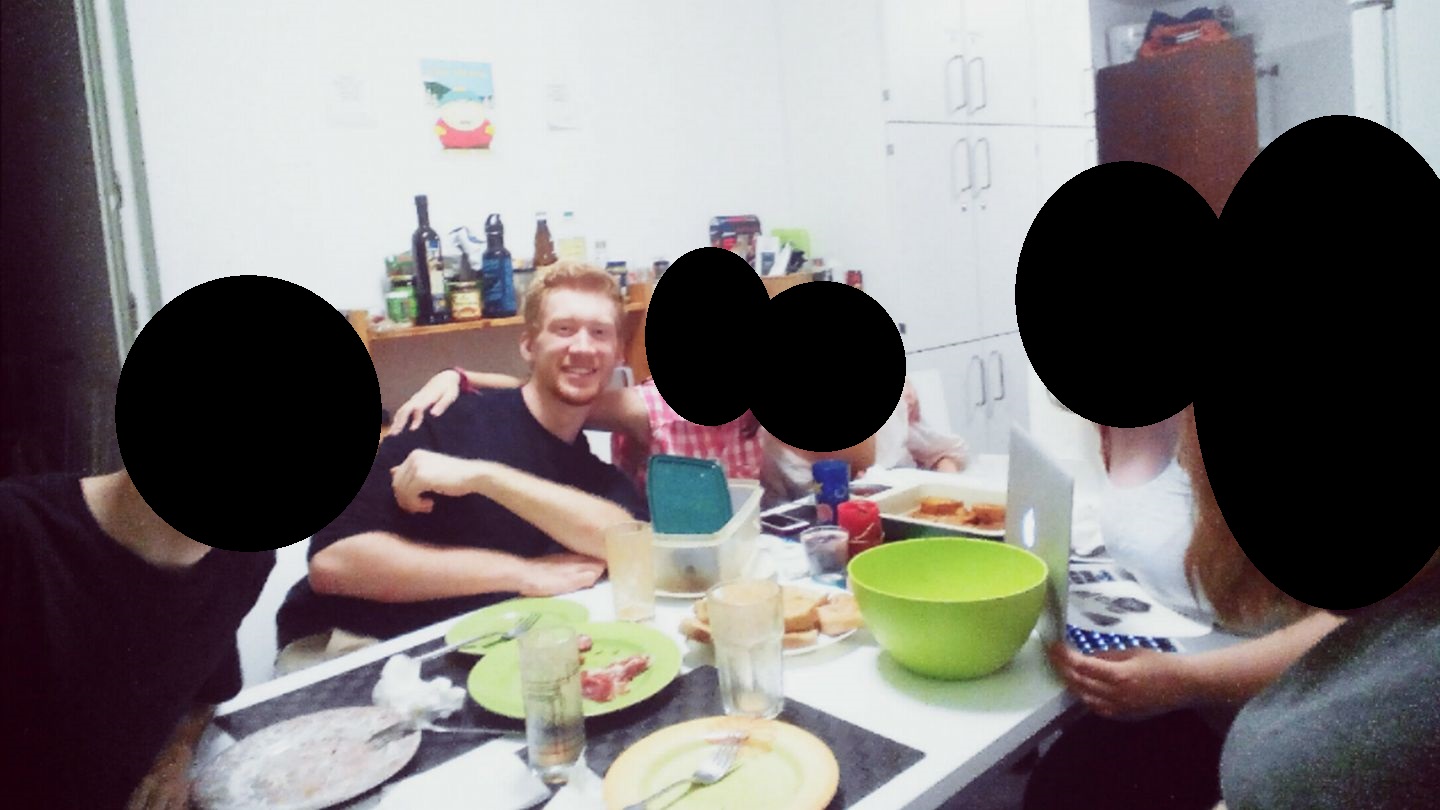
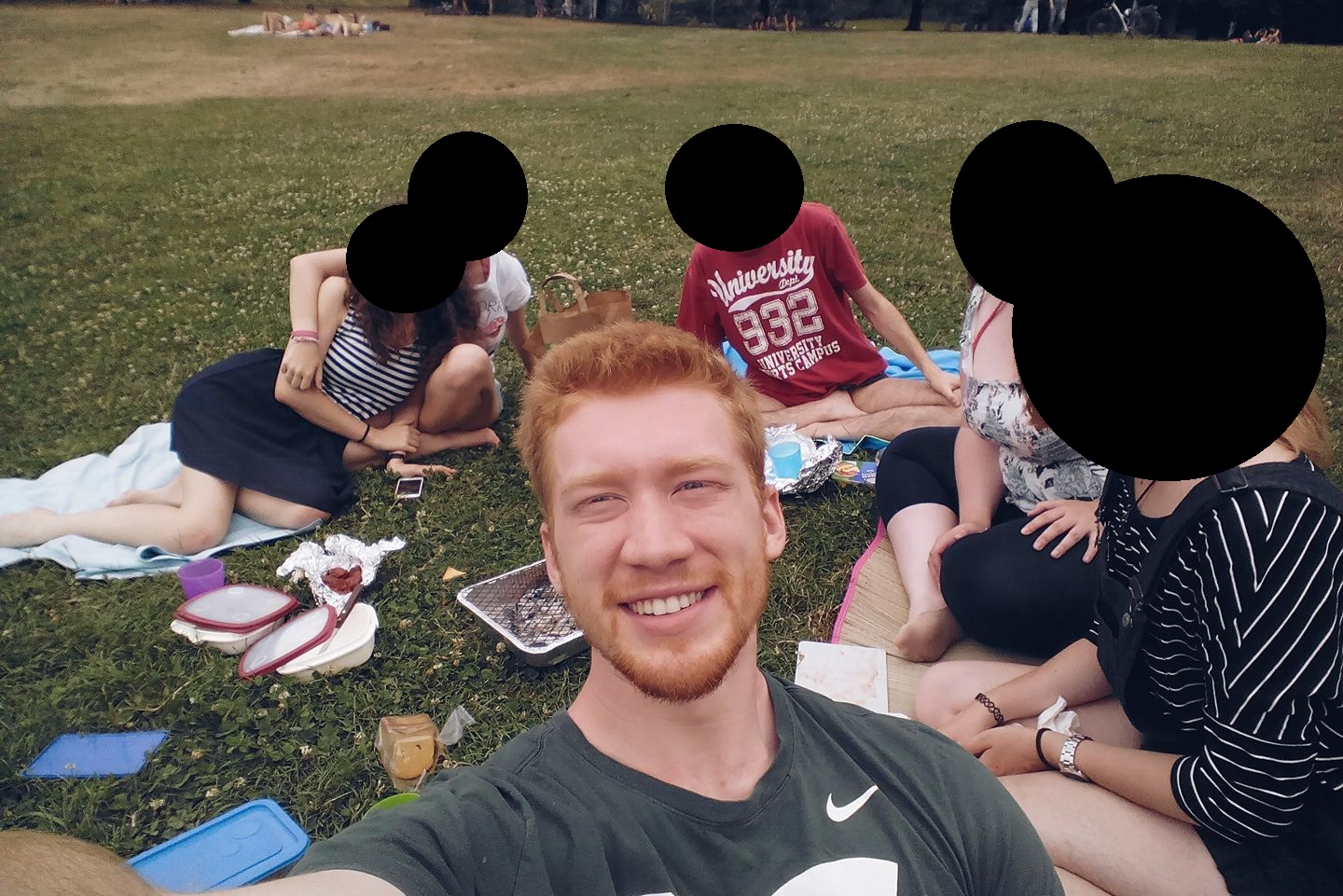
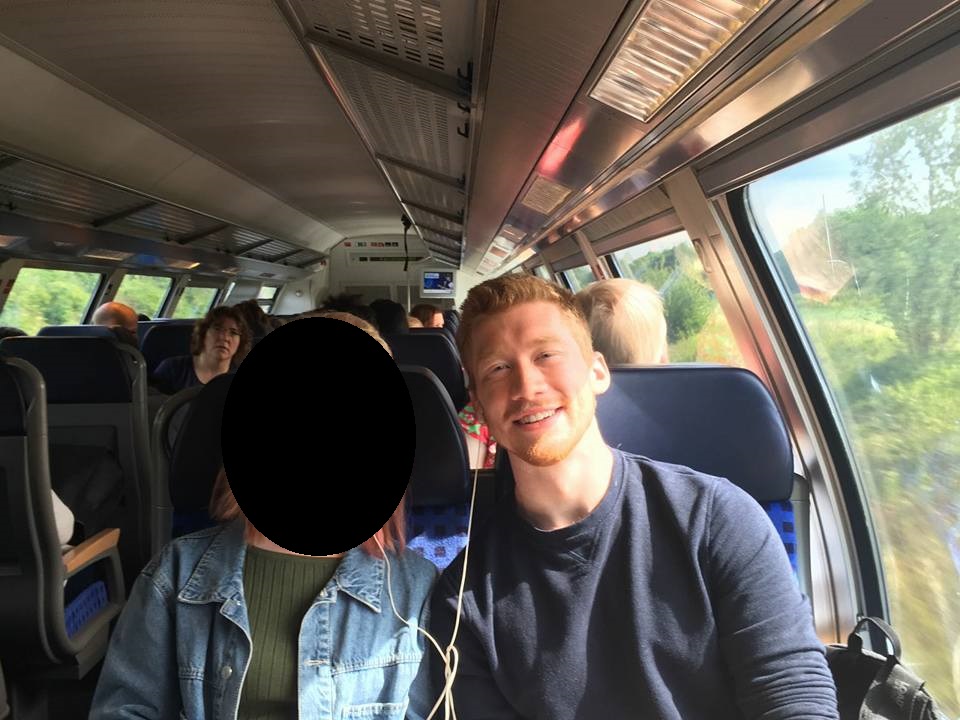
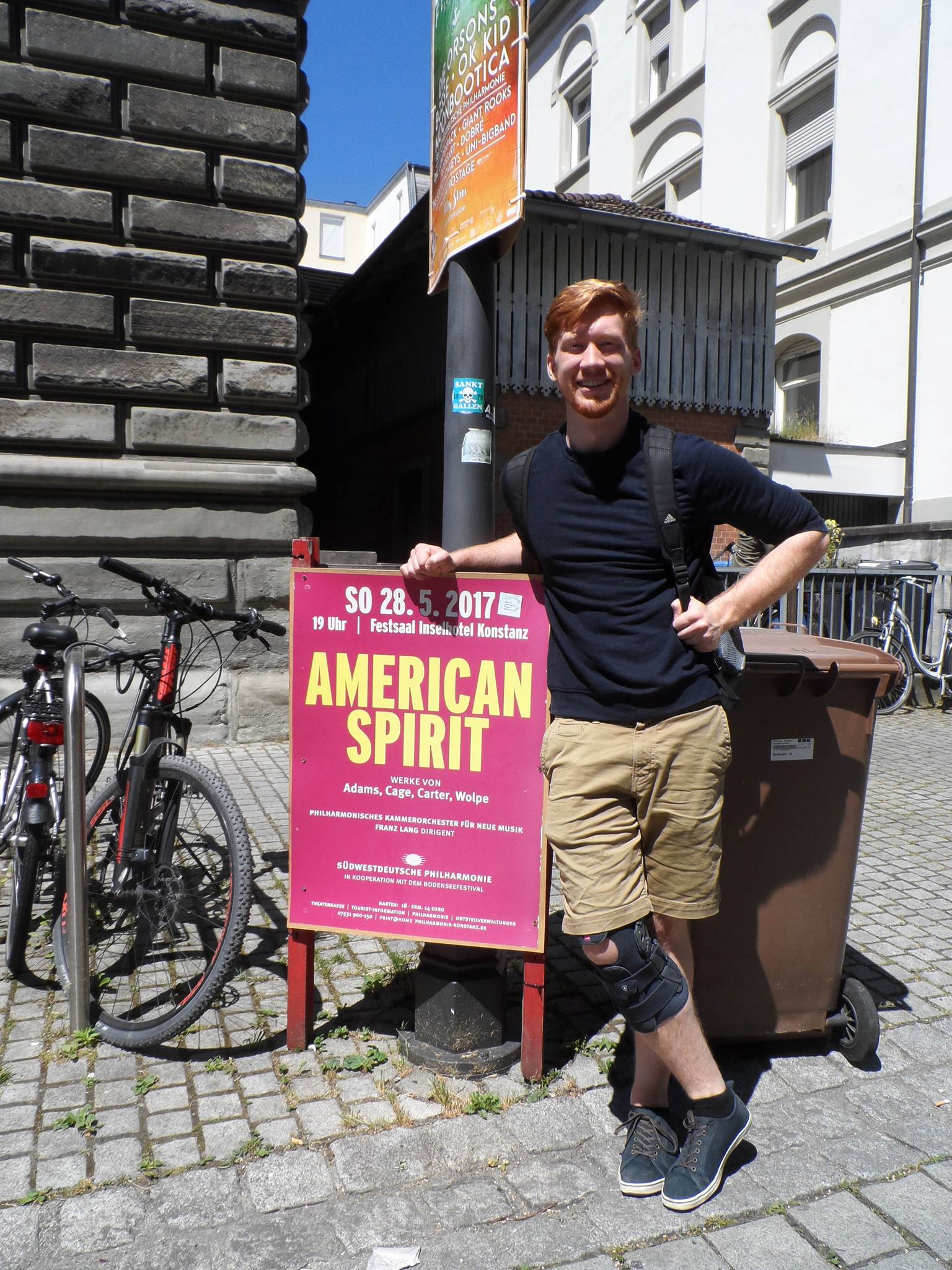
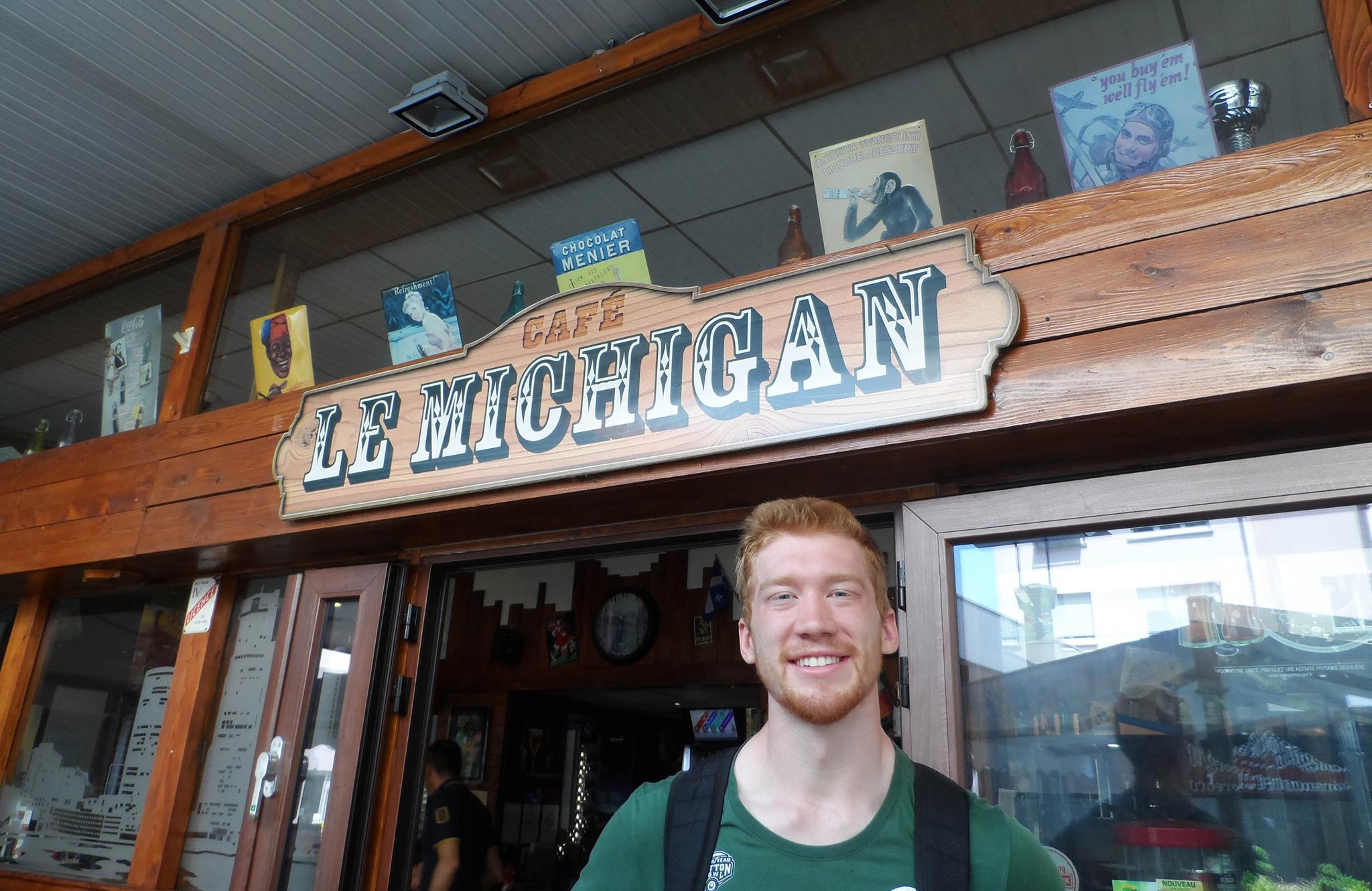
The Spanish friend group was loud, energetic, and full of joy. They loved talking, staying out late, and enjoying good food. Besides the part about staying out late, it was a perfect match (I personally believe that a great party ends before 1 in the morning).
As the school year was slowly coming to an end, I decided to take the risk and ask out my now close friend and roommate. I planned an incredibly romantic date taking advantage of the geography and beautiful views over the city at night. We had a picnic, danced at the mountain top, and kissed with a view of Freiburg lit up from the street lights and full moon.
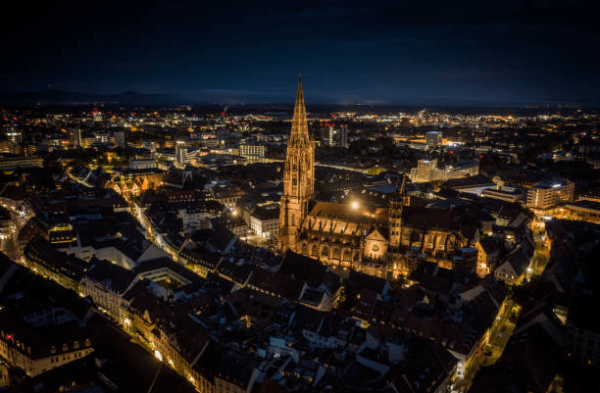
Only a few months later, it was time to head home. The week before my departure, we had many long walks discussing a possible future together and our hopes. We decided to find a way to be together again. It was more difficult than both of us anticipated.
When I landed back in Michigan, we made a routine of video calling every day to talk about anything. We were constantly in contact sharing our feelings, concerns, and dreams. I was finishing my last academic year and quite frankly overwhelmed with the work load. Why did I have to do a double major and a concentration!?!
A few months into the semester, my girlfriend had a health scare. At the time, nothing concrete was diagnosed, but the doctors were concerned. I tried to stay optimistic and hope for a negative test result, but during Christmas break, the concerns were confirmed. As soon as I heard the bad news, I bought flight tickets to visit her, and I was in Spain for the first time the following day.
Upon arriving in the airport, I ran towards her, picked her up in a warm embrace, and gave her a big kiss. Her brother still refers back to this moment and tears up.
I was just beginning my Spanish learning journey, and my girlfriend was the interpreter between me and her family. That setup worked well, but it did get awkward when she had to go to the bathroom leaving me alone in the room with her mother.
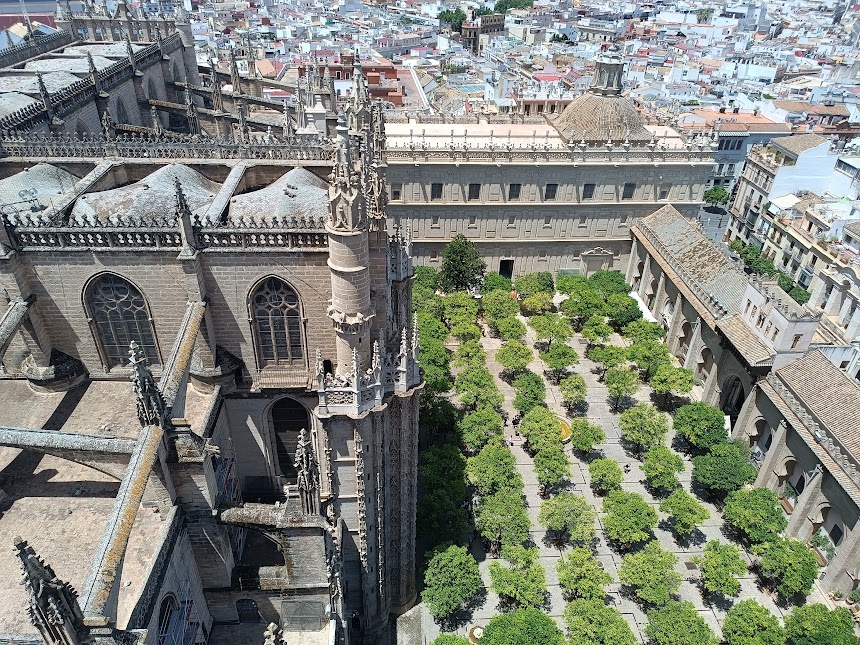
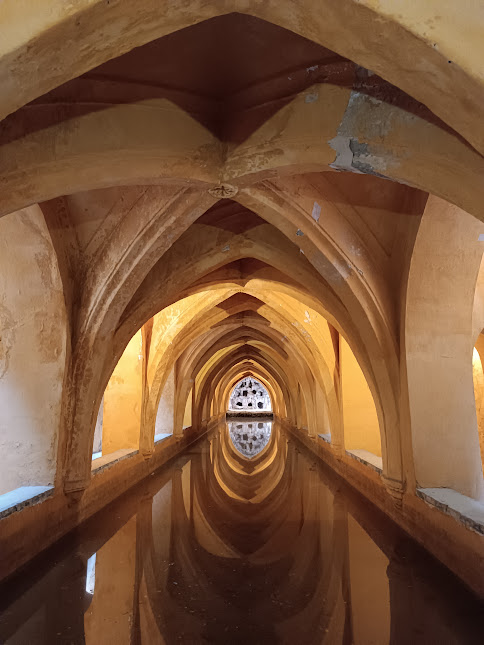
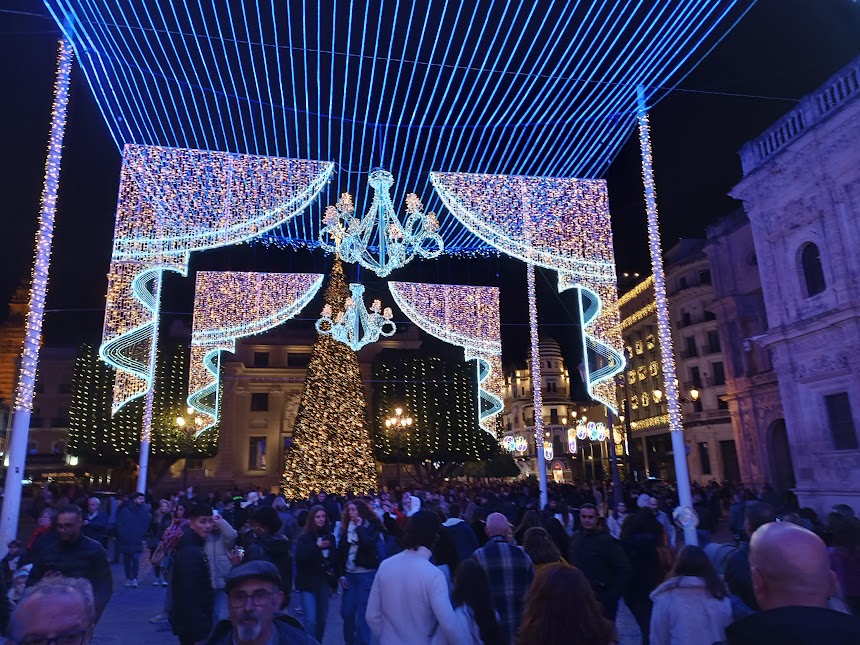
I spent the holidays in Spain trying to bring as much joy as I could to my girlfriend before she had to start her intensive treatments. My goal that break was to provide as much affection, support, and love possible before I had to leave. We spent most of our time being tourists in her own city. She loved sharing Spanish culture, food, and beautiful views.
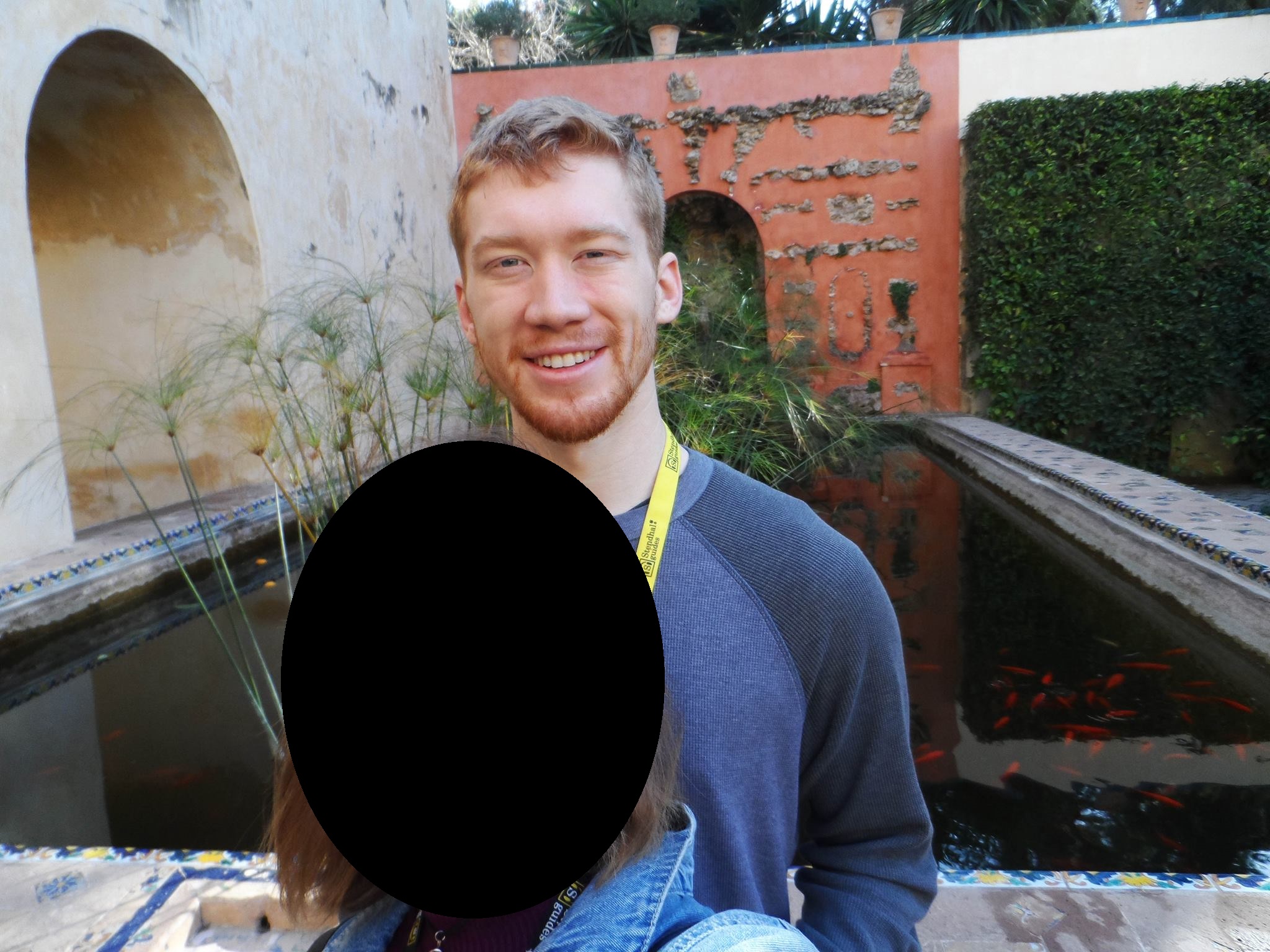
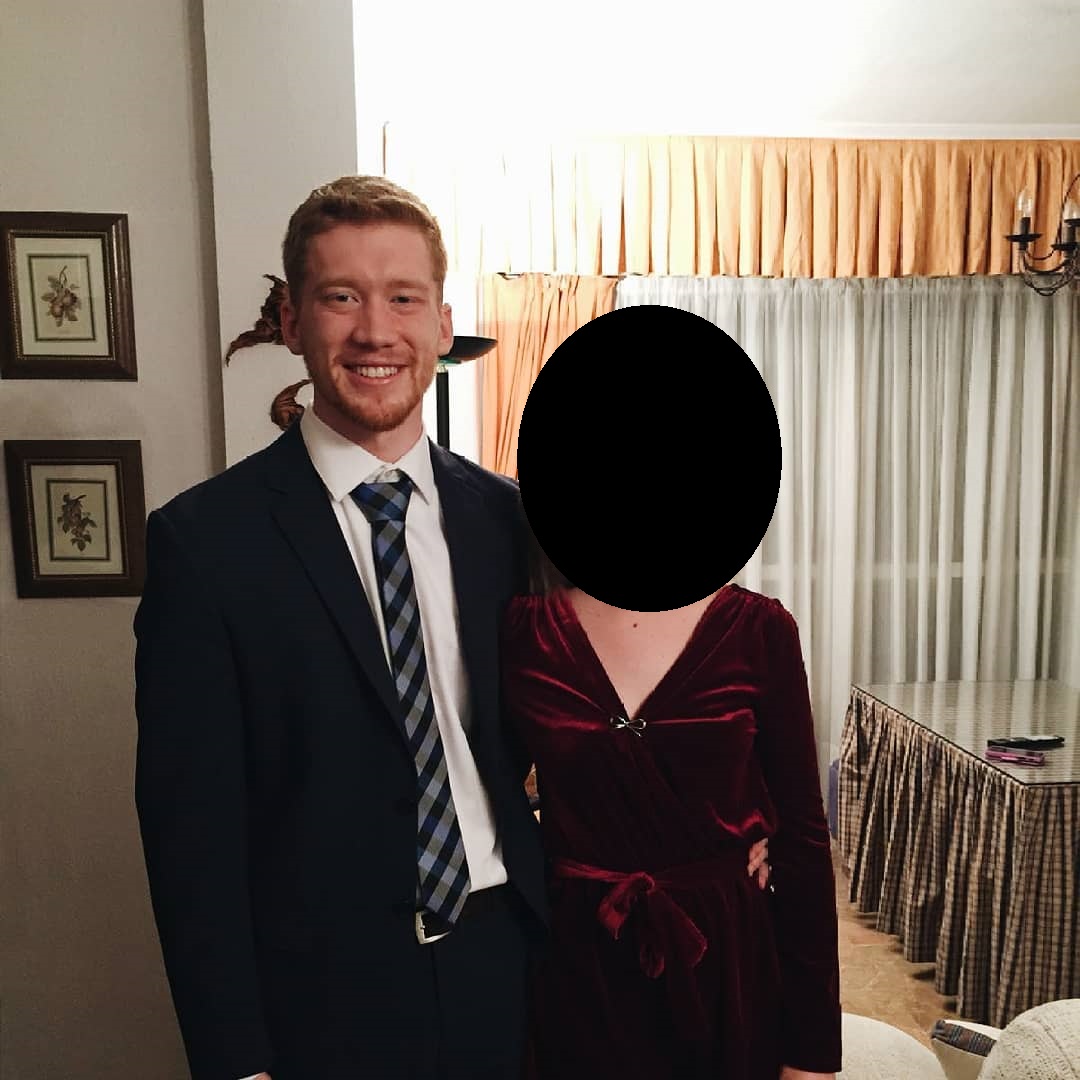
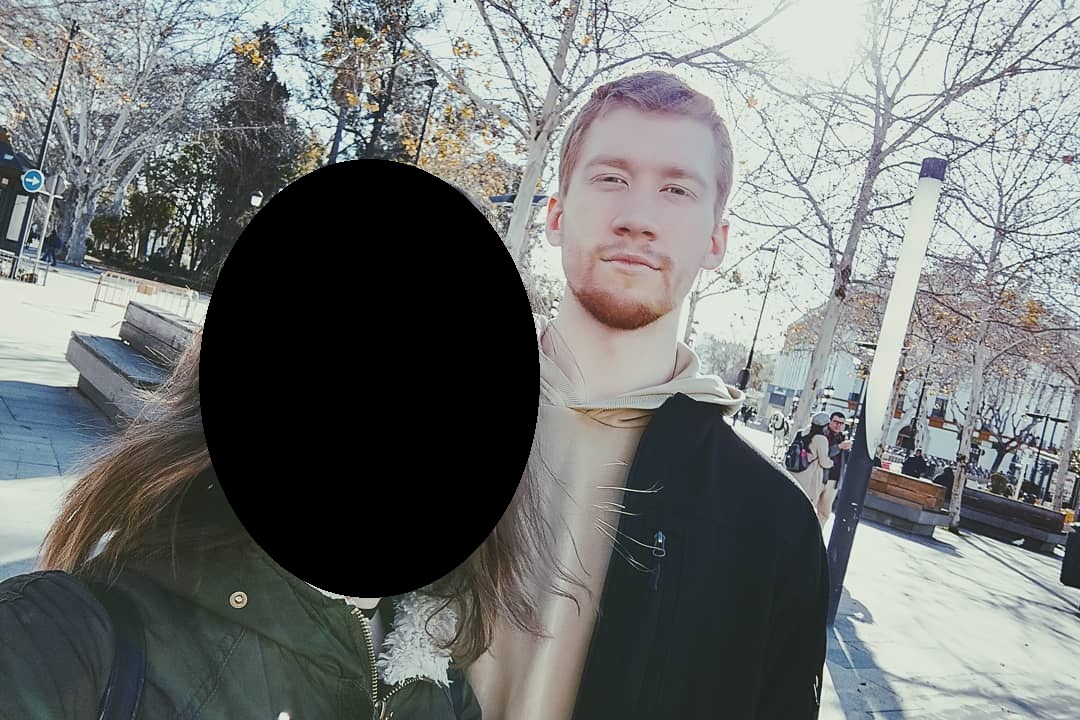
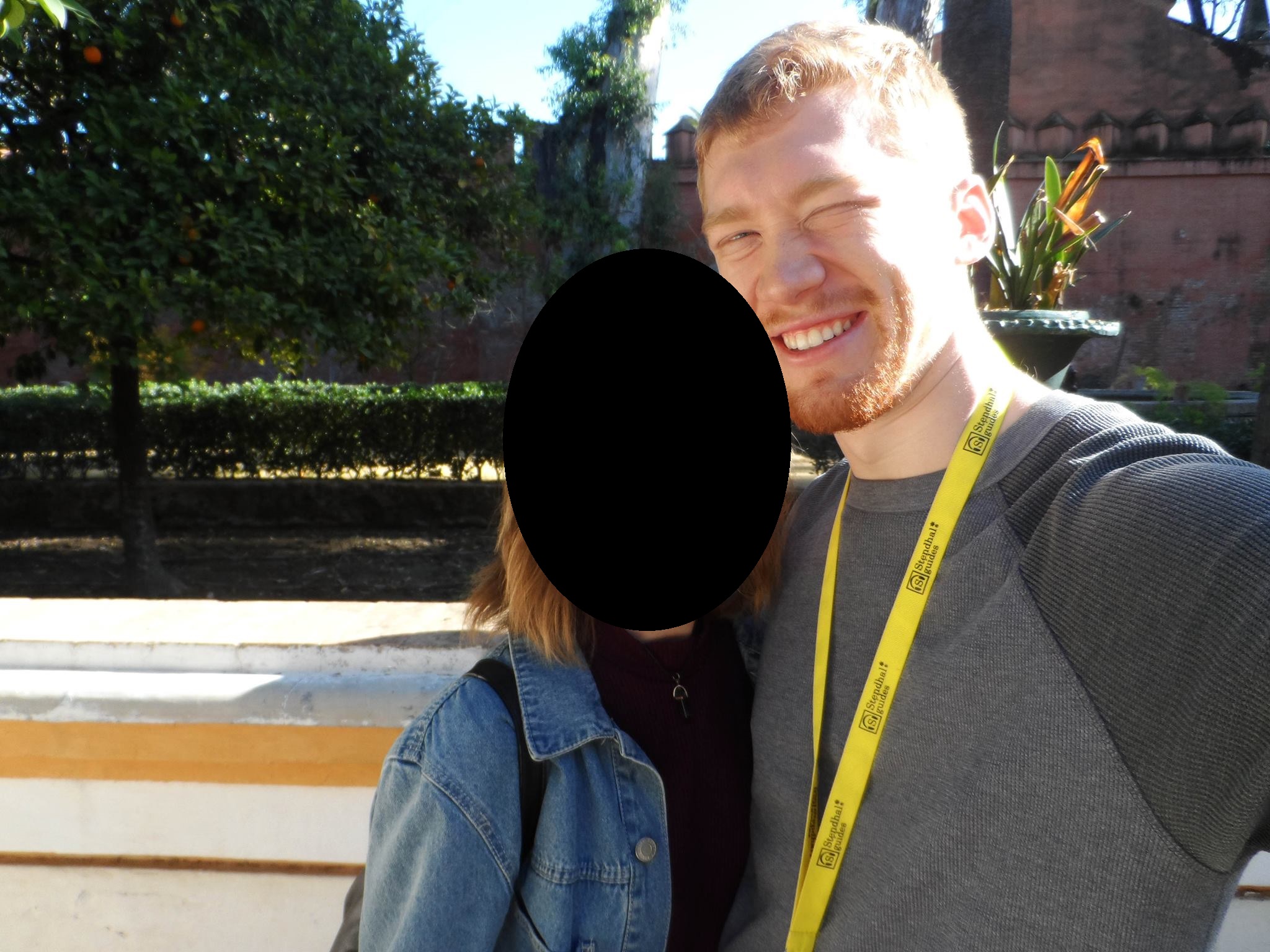
It couldn’t last forever though, and eventually we returned to normal life. I finished my studies and graduated, and she finished all of her treatments as well as her studies. Later that year, she received the “all clear” results proving that she is now healthy and without illness.
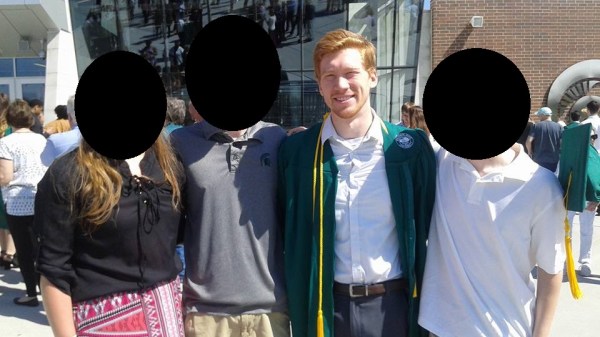
Starting from that moment, both of us looked at the specific bureaucracy and options available to us. On her end, we looked at Master’s programs she could pursue that would have internships in the U.S. On my end, I looked for work visas or programs that would allow me to live in Spain.
We often joked that maybe getting married would be our only option, but again, how lame would it be to have a ceremony dedicated to love fulfill the purpose of visa paperwork. In addition to that, we’ve only lived together while dating for a few months.
With regard to a work visa in Spain, you would have to prove that no one within the European Union is qualified to fill whatever position is available. When asking around, some language academies showed interest at first in recruiting a native English speaker to work as a teacher, but as soon as any of the bureaucratic work fell on their responsibility, they quickly disappeared. Besides, after further investigation, we found that it would be almost impossible to go down this route.
I also looked into the auxiliar program and actually signed up. The major concern would be that my placement could be anywhere. If I’m sent to a town in the middle of nowhere, there would be no job prospects for my girlfriend. Still, there was always a chance that my placement would be suitable. The whole process was incredibly confusing though. Even a handful of years ago, there was little to nothing in terms of assistance in the program. Despite how confusing and unorganized the auxiliar program is now, it is nowhere near as confusing as it was in 2018. My application never progressed past “en tramite”.
We quickly ran out of options, so we continued with our own paths. I got a job as an environmental scientist in Indiana, and she continued with a Master’s degree in Seville, accepting an internship in the Netherlands afterwards. We still visited each other as often as possible. Sometimes she would go to Michigan, and other times I would go to Spain.
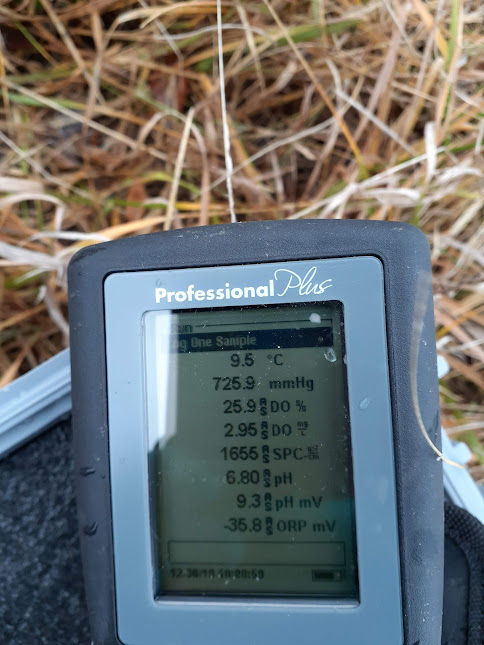
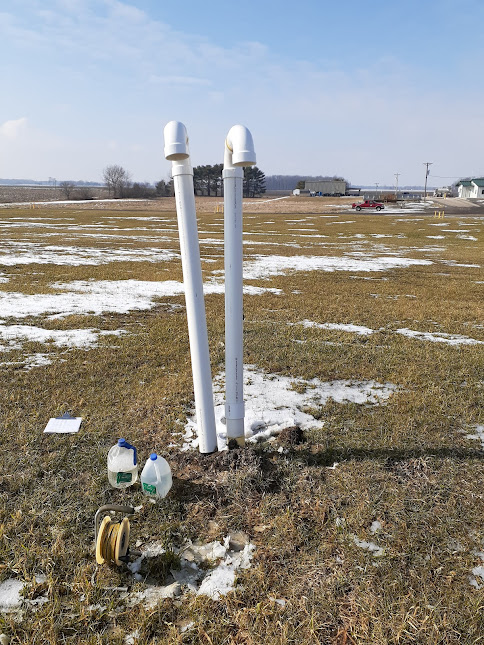
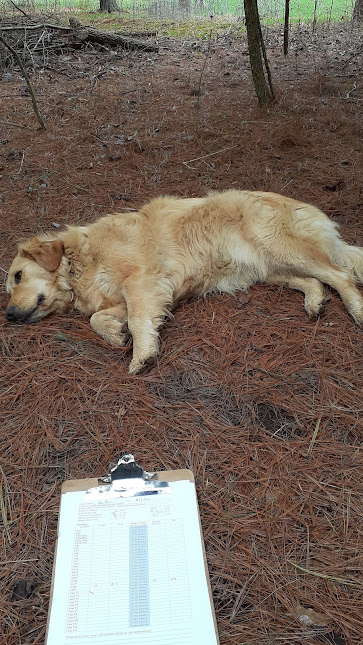
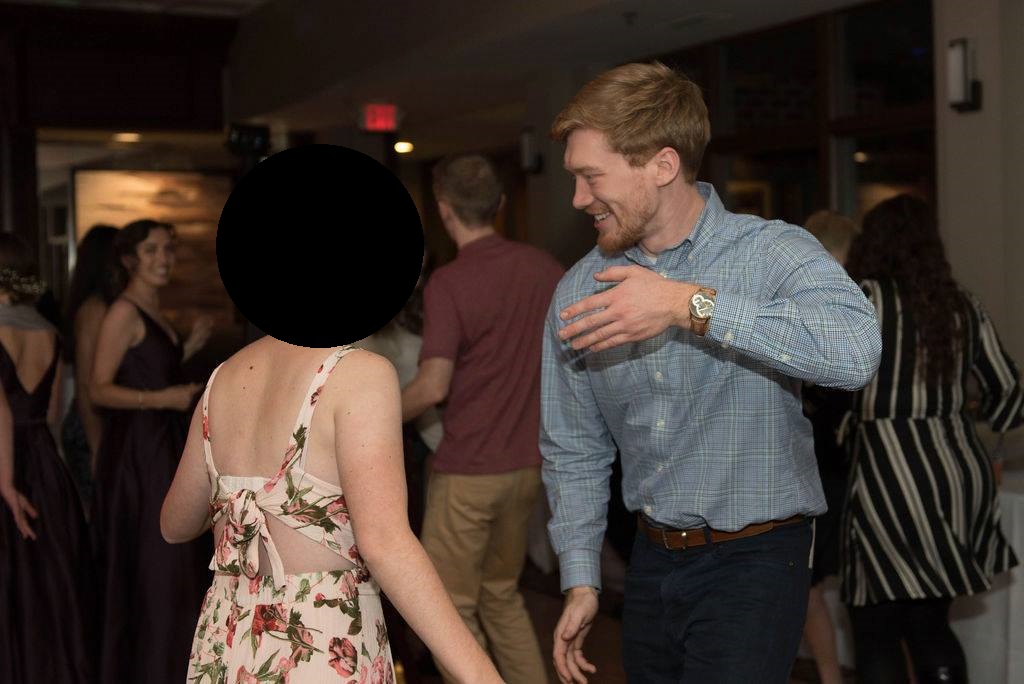
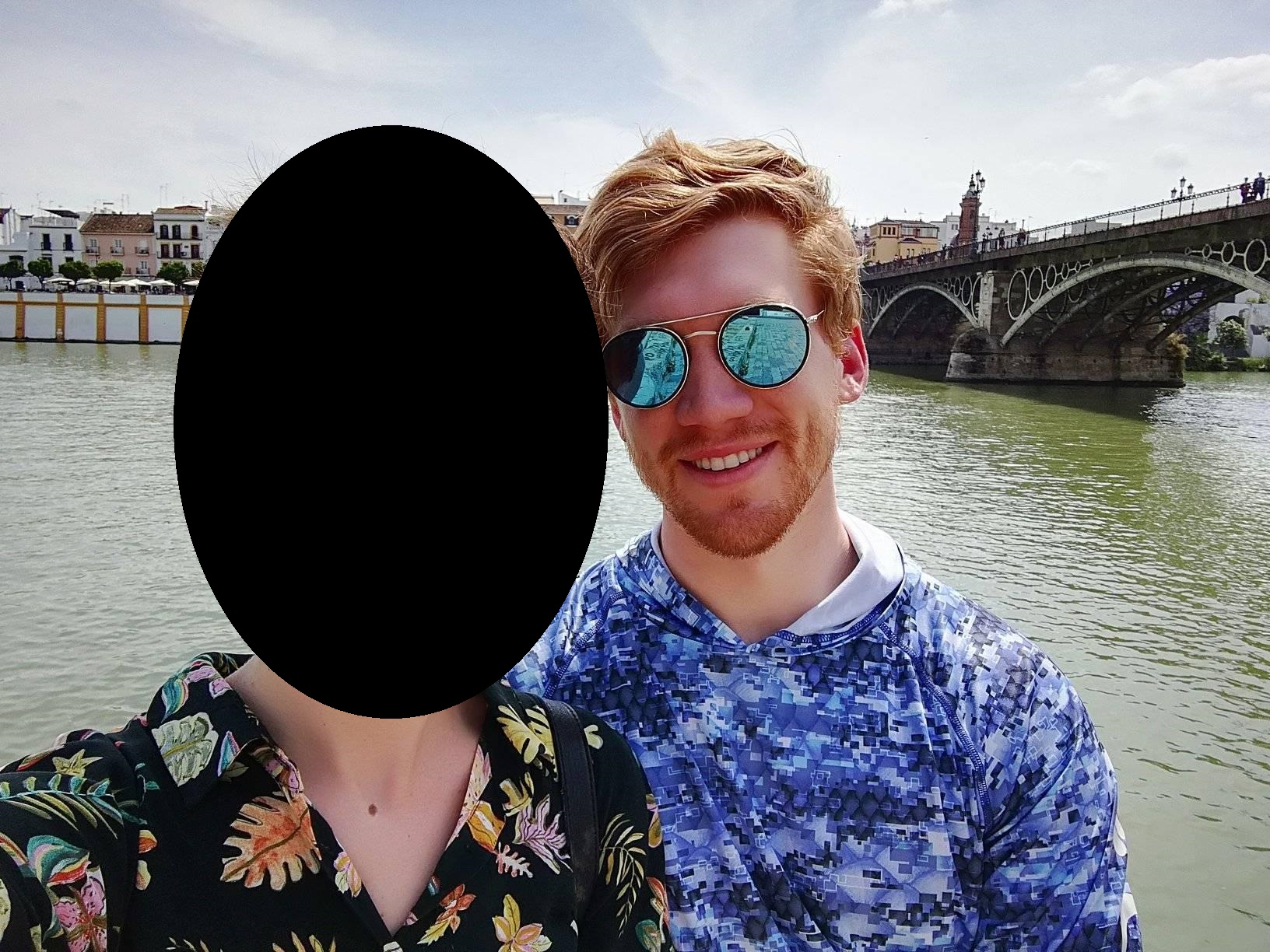
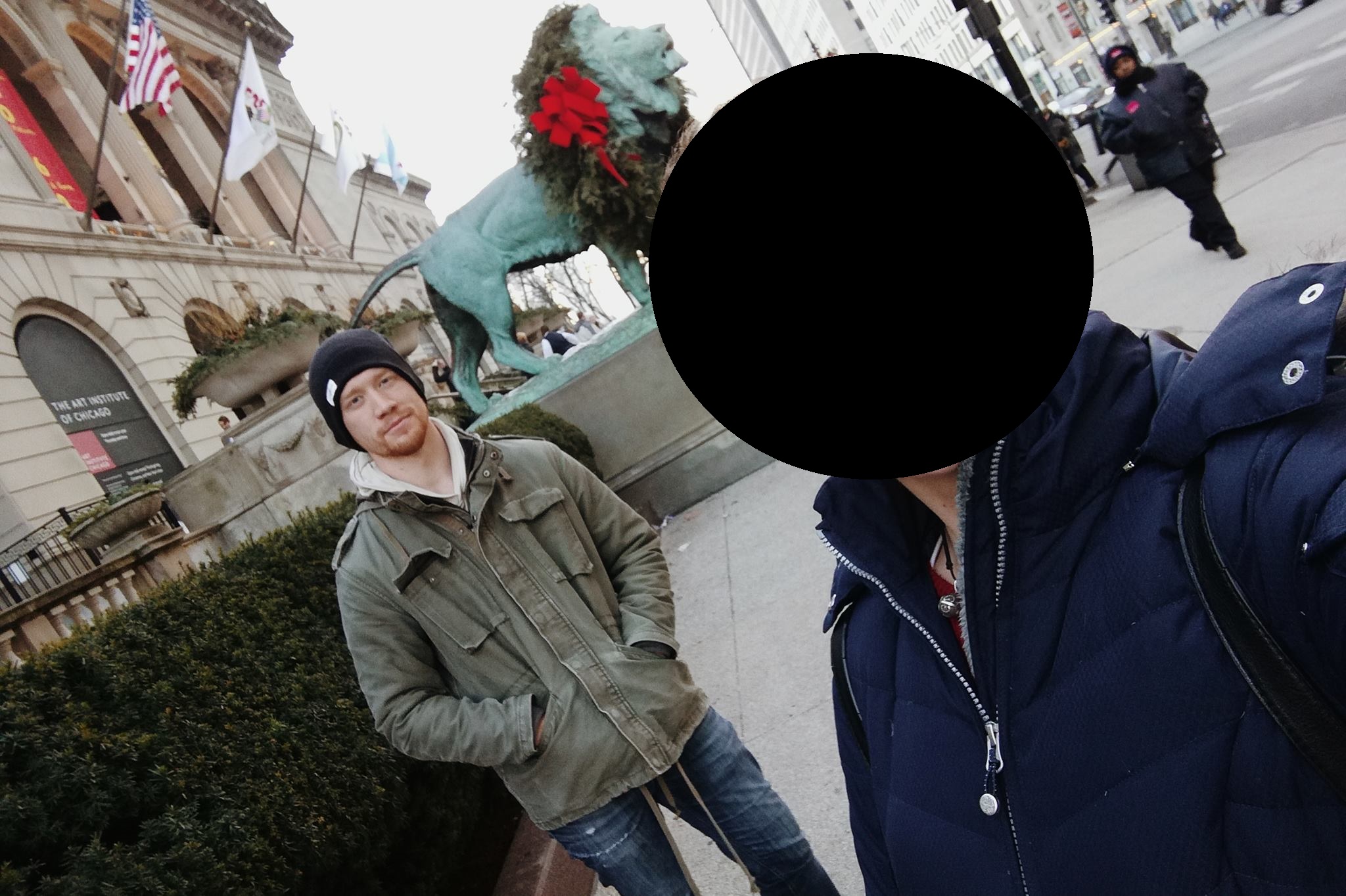
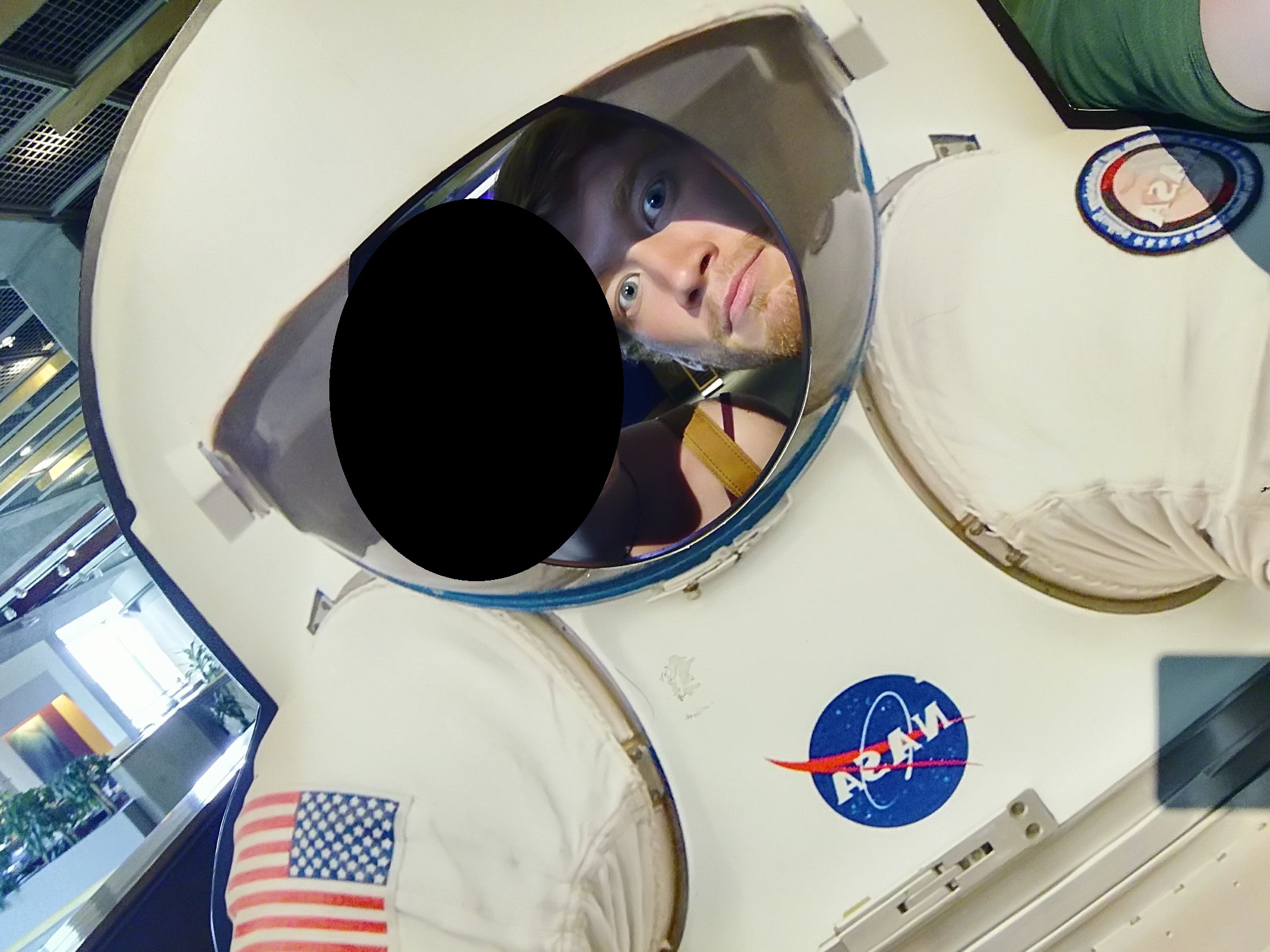
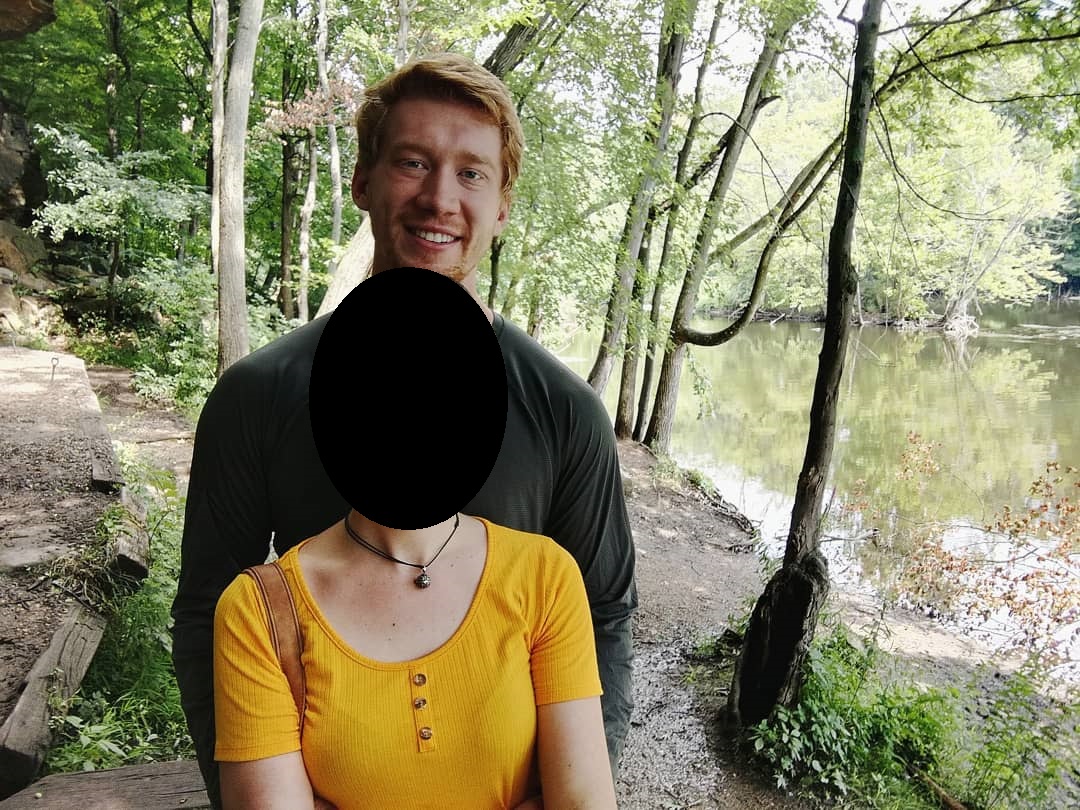
(By the way, the dog is fine. She was just being dramatic because I had to check methane levels under their property, and I wasn’t giving her scratches while doing my job. She got scratches after I finished.)
It wasn’t until two years later that I found a program that could get us back together. CIEE is an auxiliar de conversacion program that guaranteed a placement in Madrid, and the company she worked for in the Netherlands also had offices there. With the extra assistance from the frankly expensive program, I was able to correctly get through the application and visa process, and through a strong letter of recommendation from her boss, my girlfriend was able to get a position in Madrid. Keep in mind, we made this move in 2020. Spain was one of the hardest hit countries at first during the pandemic, and we were making plans to move to the capital.
*If you are in a similar situation and need to use CIEE, please take advantage of the $200 discount link. (Link available here)
Somehow, everything worked out well. We finally moved in together again in Madrid. Despite having help from CIEE, I still found the bureaucratic process difficult and confusing. I developed a vendetta against the slow, inconsistent, and deliberately convoluted foreign immigration processes, so I kept a meticulous record of each and every step I took and vowed to help anyone else in the same position I was years ago.
In total, we spent 2 years in Madrid before moving to Seville and applying for pareja de hecho. Madrid is a fine city, but it was too hectic and metropolis for both of us.

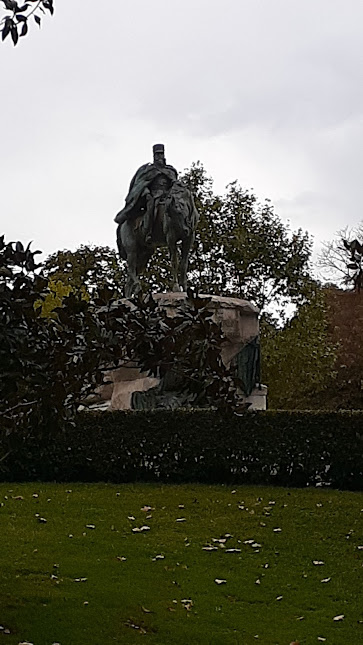
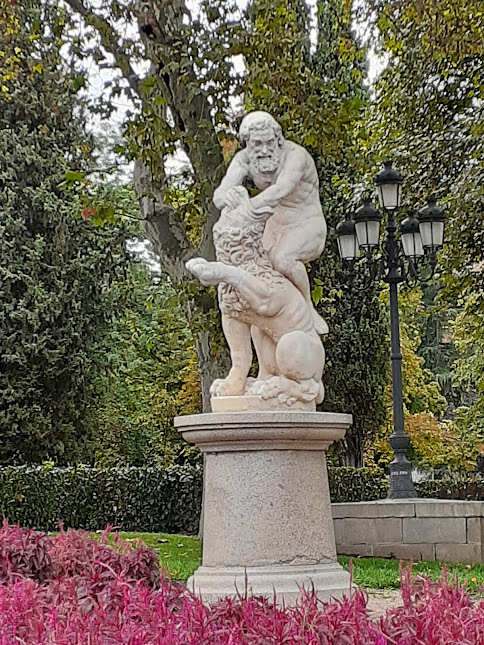

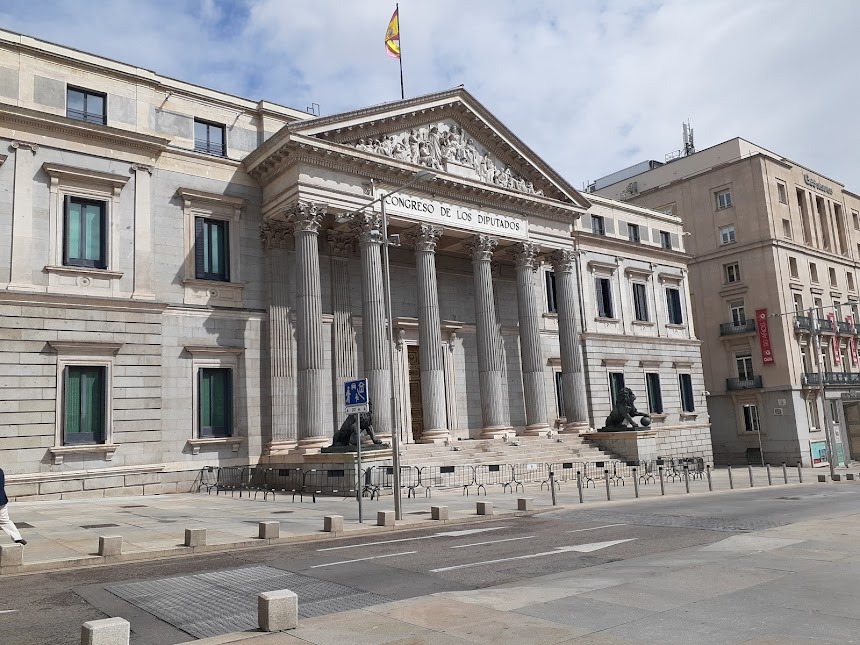
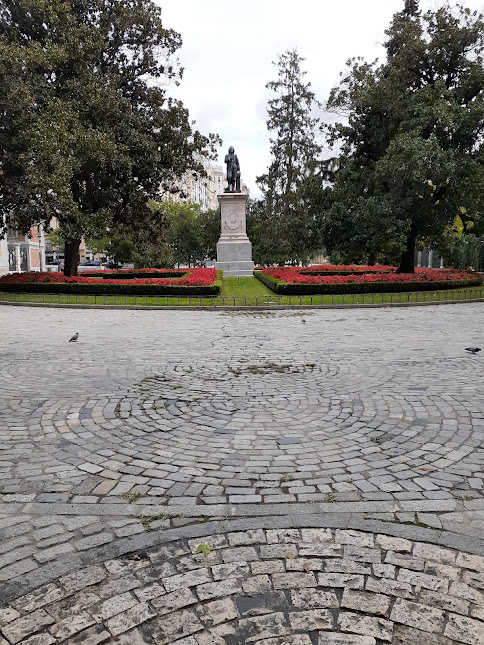
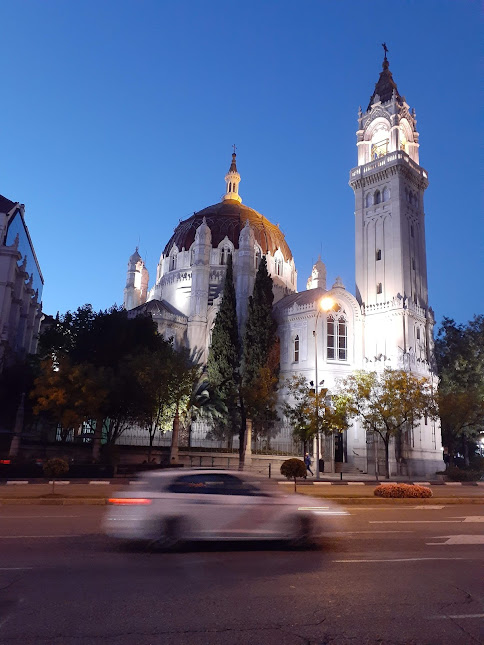
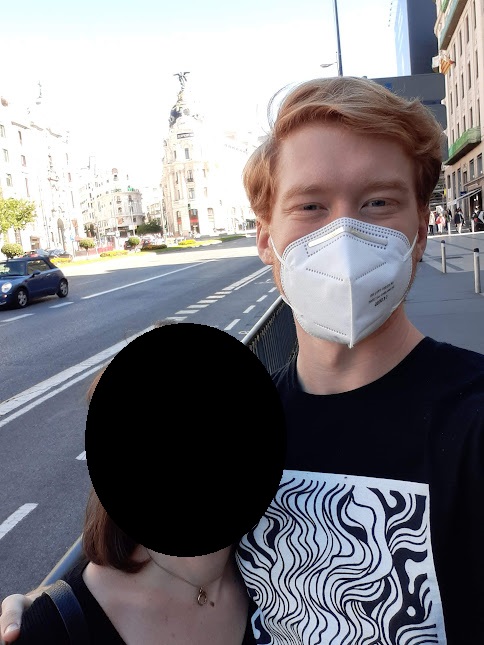
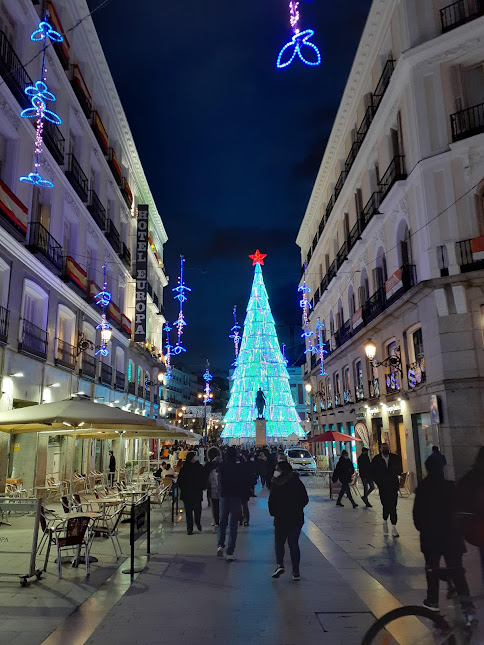
Pareja de hecho was another long and difficult process. Luckily, we had the help of a lawyer through a family friend connection. We had to make many trips to various offices, notaries, and bureaucrats. In total, it took 8 months after first starting to collect documents to receive residency through pareja de hecho.
The difficult thing for me personally was the wait. While your residency status is being altered from student visa to visa through family (pareja de hecho), you are unable to work or travel. I was in limbo for multiple months during the early summer heat of Seville. To not go crazy, I decided to use my meticulous notes about the bureaucratic processes I went through and put them on a blog to help others. This work was originally emotionally motivated by an urge to help those in my same situation and an anger against the difficult bureaucracy I went through.
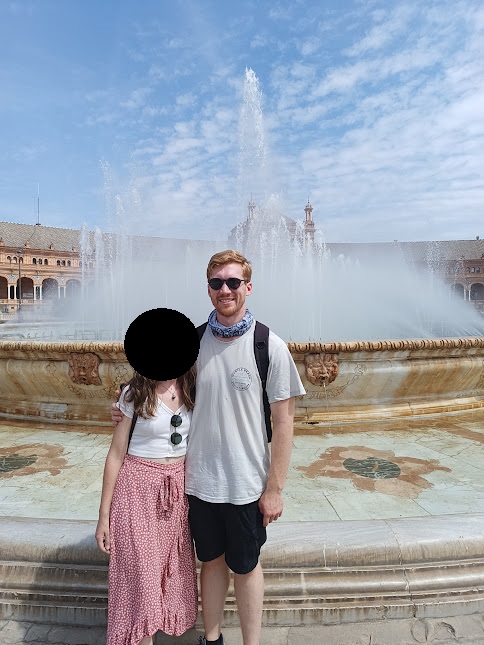
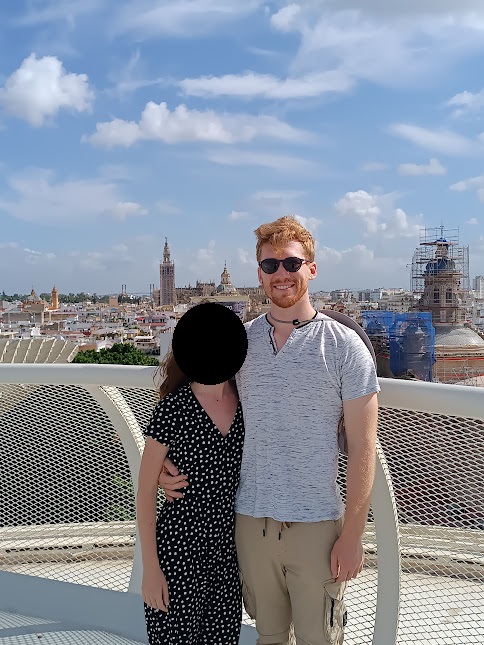
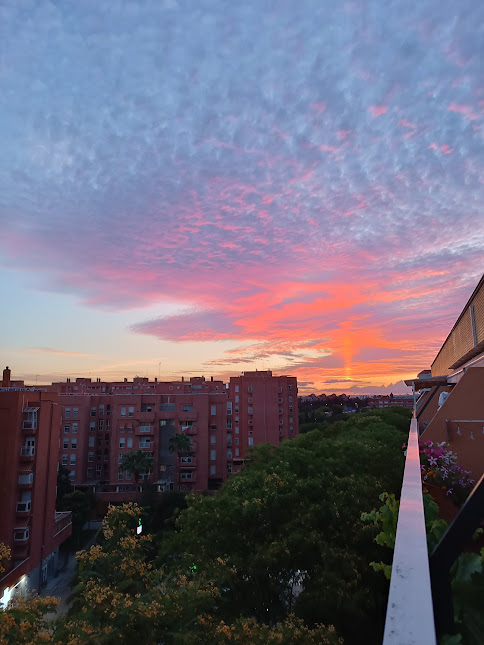
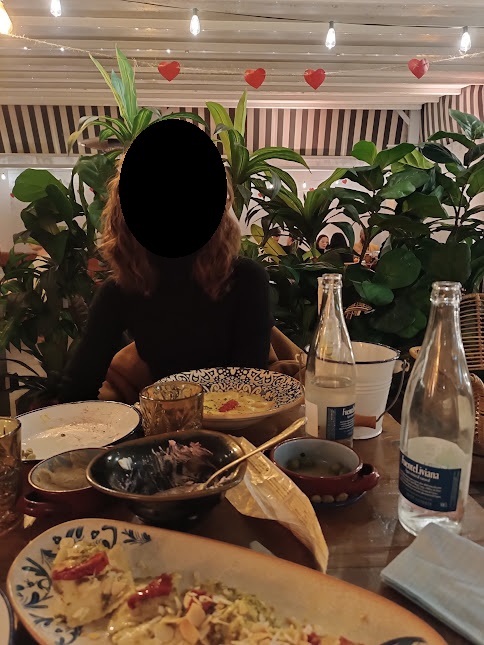
Now, we both live and work in Seville. I still work as an English teacher, but I’m outside of the Auxiliar program. We have a quaint apartment outside of the center, and we’re enjoying normal every day life making sure not to forget how far we both came.

If you found the website useful, please Support the Page. Every little bit helps.
The information on http://www.residency2spain.com is provided in good faith and is intended for general informational purposes only. Residency2spain makes no guarantees regarding the accuracy, reliability, or completeness of the content. Any decisions you make based on the information found on this site are made at your own discretion and risk. Residency2spain is not liable for any loss or damage resulting from the use of this website.
-
Behind the Scenes – 2025 Finances
How does Residency2spain.com make money, and how much money does it make? I’ve just finished crunching the numbers and can elaborate on how these guides stay financially solvent. If you are motivated, have a unique idea that can help others, and want to make some money on the side, you can try creating a website…

-
Some Good News
Proceed with caution. Although the state of the program may be uncertain, there have been some positive signs (not guarantees) for 2026-2027. If you are unfamiliar with what is happening with the auxiliary program, please check out the previous post. As you are probably aware, the auxiliar de conversacion program is being restructured for 2026-2027.…
-
The Future (or End) of the NALCAP Program
Restructuring of the program, multi-million euro fines, and a delay to the application window! Expect major changes to the NALCAP program. If you’d like to keep up-to-date on what’s happening, you can joinMy Auxiliary Facebook group. Some Good News In 2025, the region of Andalucia was fined by the central government for a failure to…
-
A Podcast?
I’d like to share the podcast I have just started with my audience. it’s called Immigrant, not Expat. My goal is to share stories about immigration to hopefully remove the negative connotation surrounding the word “immigrant”. I am deliberately avoiding the word “expat” because I don’t want to reinforce a caste system for immigration. I…

-
Culture Shock!
People who talk about moving to another country may emphasize how different the culture will be and how to deal with culture shock. Spain is a modernized, western country that isn’t too different from the U.S, so in my experience, “shock” isn’t a great way to describe it. There are some differences, though. Most of…
-
250k Views – Day in the Life
The last time we celebrated a view benchmark, I made a post about myself and what led me to create a life in Spain. Now that we’ve hit 250,000 views, I’m posting feet on main! (Open the full image if you are a sicko). Well, the idea of this post is to share a typical…

-
Santiago de Compostela
On an extended weekend, thanks to a public holiday, my partner and I went to Santiago de Compostela. It’s a beautiful city in the northwestern region of Galicia, which is known for its rainy climate and delicious food. Santiago is an interesting city with a unique history. It is the destination of multiple pilgrimage routes…

-
Extra Income – Teaching Online
There are countless ways of saving money while in Spain, but if you want to be able to travel more and enjoy more experiences, increasing your income is a great way to do that. As native speakers of English with experience teaching English as a foreign language in Spain, your teaching services will be in…
-
Saving Money and Being Environmentally Friendly
You don’t need your own terrace garden like me, but you can easily save money and be better for the environment when living in Spain. One of the joys of moving to Europe is that it becomes possible to be environmentally friendly without sacrificing your lifestyle or money. When I lived in Indiana, I remember…

-
Celebrating 75,000 Views – My Journey to Spain
When I first started writing this blog, I never expected getting this type of interest. I just wanted to create something to help others find their lives in Spain and avoid the uncertainties and anxieties that plague bureaucratic processes here. It’s still only a hobby instead of being my actual job, but a lot of…
-
Spanish and U.S. Library Cards
Getting a U.S. library card before leaving for Spain and a Spanish library card while there can provide wonderful (free) services. Libraries have modernized. They provide a wide range of services that can be accessed from anywhere in the world: eBooks, audiobooks, as well as online magazines and newspapers. Individuals travelling to or living in…

-
How I Accidentally Became an Actor in Spain
“Quiet on set, roll cameras, and action!” I desperately choke for breath while grasping at my wounds. With a WW2-era revolver aimed at the entryway of an abandoned farm shed, I am slowly bleeding out while waiting for my enemies to finish me off. Suddenly, I hear noises just outside. It sounds like footsteps, and…

-
NALCAP Webinar 2022 – Highlights
July 28, 2022 Will new regulations affect auxiliares who receive supplemental income in Spain? What should I do before leaving for Spain? How do I find an apartment? What steps should I take first when I arrive in Spain? The 2022 NALCAP webinar covers topics that can help new auxiliaries and returning auxiliaries. Find out…

-
Fun Trips around Madrid
Cercedilla Cercedilla is a mountainside municipality Northwest of Madrid. It is about an hour train ride away with the cercanía trains from Atocha (the main train station). The mountainside is filled with nature, flowers, and there is a small ranch with a herd of cows living their best lives grazing on the mountainside. The cows…

-
Budgeting in Spain
The cost of living is much cheaper in Spain, but the salaries are also much lower. How do I budget? What should I expect to spend and save? Just like the U.S, some places in Spain are more expensive than others. Madrid is one of the most expensive cities in Spain, so if you live…

-
The debate of the century: with or without onion.
Spanish tortilla is a traditional dish in Spain similar to an omelette. It has eggs, potatoes, and sometimes diced onions. In Spain people are passionate about food, especially traditional food, and there is a fierce debate in Spain about which type of tortilla is better: with or without onions. Traditionalists will claim that putting onions…

-
So, you want to move to Spain?
There are many reasons to want to live in Spain. The climate is warm and pleasant. The natural landscapes are breathtaking, and with a guaranteed 22 vacation days a year, you have the time to enjoy them. Culturally, Spanish people are kind, welcoming, and outgoing. This generosity also includes the public services offered. Spain has…

 Spanish Bureaucracy Guides